
Dean of Cunji Medical College, University of Chinese Academy of Sciences, Director of CAS Key Laboratory of Pathogen Microbiology and Immunology, Institute of Microbiology, Chinese Academy of Sciences, Beijing, ChinaVirology; Immunology
Chinese pathogenic microorganisms and immunologists
Academician of the Chinese Academy of Sciences
Foreign Academician of the National Academy of Sciences of the United States
Foreign Academician of the Royal Society of the United Kingdom
Academician of the German National Academy of Sciences
Foreign Academician of the Russian Academy of Sciences
Director of the Academic Committee of the Institute of Microbiology of the Chinese Academy of Sciences
Director of the Key Laboratory of Pathogenic Microorganisms and Immunology of the Chinese Academy of Sciences
Chairman of the Chinese Bioengineering Society
Vice President of the Chinese Medical Association
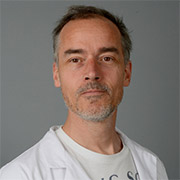
Institut Gustave Roussy, Villejuif, FranceBiology & Biochemistry; Immunology
A recognised expert in cancer immunotherapy, has been recognised as a Highly Cited Researcher by Clarivate for seven consecutive years since 2018 and received the Biology and Biochemistry Leader Award (Research.com) in both 2022 and 2023. He is considered among the world’s most influential scientists in the fields of biology and biochemistry.

Founder and Full Professor of Department Immunology, Faculty of Medicine, University Complutense, 28041 Madrid, SpainImmunology; Immune deficiency; Evolutionary immunology; Autoimmunity; Immunochemistry; Immunogenetics; Cellular immunology; Population genetics
The founder and director of the Immunology Department at Ramon Yacar Hospital;
As one of the co-authors, he worked with Nobel laureate J. Dizet to formulate the current Spanish organ transplantation law. This achievement was recognized by the Senate in 2016;
Approved by the International Review Committee, he was appointed as a professor at the Spanish University, responsible for pioneering the field of immunology at the Spanish University. This appointment was made together with Professor Ortiz de Landa Zuri and Professor Sanchez Madrid;
The founder, as the first professor of the Immunology Department at the University of Complutense Madrid (now promoted to full professor);
The founder of the European Immunogenetics Foundation;
Elected president of the Spanish Immunology Society.

College of Life Science and Technology, Beijing University of Chemical Technology, Beijing, Chinabio-Safety; Microbiology; Genomics; Bioinformatics; High-throughput Sequencing; Super-resistant Bacteria; Bacteriophagology
Member of the Bacteria and Archaea Division of the International Committee on Taxonomy of Viruses
Member of the Microbiology and Immunology Professional Committee of the Chinese Medical Association
Standing Committee Member of the Medical Microbiology and Immunology Professional Committee of the Chinese Society for Microbiology (Head of the Bacteriophage Group)
Member of the Bioinformatics and Computational Biology Professional Committee of the Chinese Biotechnology Society
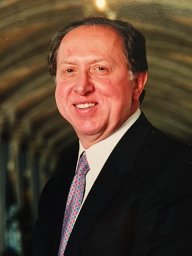
Mind-Body Medicine Research Council,Institute for Integrative Health Care and Health Promotion (IGVF), Faculty of Health/School of Medicine, Witten/Herdecke University, Witten/Herdecke University, North Rhine–Westphalia, GermanyNeuroimmunology; Microbiome-Gut-Brain Axis; Neuroinflammation; Immunomodulation; Host-Microbe Interactions; Neurodegenerative Diseases; Innate Immunity; Microbial Metabolites; CNS Immunology; Inflammatory Signaling

Department of Medicine, Center for Translational Medicine, Thomas Jefferson University. Philadelphia, PA, USATumor immunology; Cell cycle; Retinoblastoma protein and cancer; Prostate cancer; Breast cancer; Lung cancer
A translational cancer biologist with more than 40 publications in high-tier journals. The work mainly focuses on mitigating prostate, breast and lung cancers by rewiring the tumor suppressor RB via small molecular inhibitors and ionizing radiation.

Researcher at University of Lille, CNRS-UMR 8576, Lille, FranceCandida albicans; Candida species; Fungal infection; Antifungal drugs; Malassezia species; Immune response; Inflammatory bowel diseases
Researcher in Lille University Hospital, France (CNRS-UMR 8576, Inserm U1285). He was a research fellow in Cleveland Clinic (Cleveland, OH), before returning to Lille University Hospital in 2012. He received my Ph.D. in immunology-microbiology in 2006 from Lille University. He Is interested in how the human pathogenic yeast Candida albicans may manipulate host innate immune pathways during the intestinal inflammation to cause disease.

Institute of Biophysics, Chinese Academy of Sciences, Key Laboratory of Infection and Immunity, Chinese Academy of Sciences, Beijing, ChinaHerpes virus; Flavivirus; African swine fever virus
His research aims to completely understand the various steps of the virus cycle, including the entry, replication and assembly using a combination of structural analysis, cellular assays, virological, reverse genetics and animal studies. The study of virus cycle facilitates the design of better antiviral compounds and vaccines, which is in agreement with our commitment to translate our research findings into health benefits.

College of Life Science and Technology, Beijing University of Chemical Technology, Beijing, ChinaPrecision oncology; cancer stem cells; biomarkers; tumorigenic mechanisms
Dr. Yang has published over 70 papers across prestigious international journals including Cell Research, European Urology, Cancer Research, Clinical Cancer Research, Molecular Cancer, Journal of Experimental Medicine, Chemical Engineering Journal, EBioMedicine, and Critical Reviews in Food Science, with over 1000 citations. Additionally, he has published 8 professional books. He has led or participated in 14 projects funded by the Ministry of Science and Technology, the National Natural Science Foundation of China, and other national and local government agencies. Furthermore, he has applied for 23 Chinese invention patents with 12 granted. He has obtained the Shenzhen Science and Technology Progress Award (First Prize) in 2020 and the Outstanding Paper Award of Journal of Bioengineering in 2021.

State Key Laboratory of Respiratory Disease, National Clinical Research Center for Respiratory Disease, Guangzhou Institute of Respiratory Health, First Affiliated Hospital, Guangzhou Medical University, Guangzhou, ChinaRespiratory virus infection; Immunity research; Antibody drug development
Highly cited scientist, Clarivate Analytics
National Outstanding Young Scientist Award recipient
Changjiang Scholar Professor
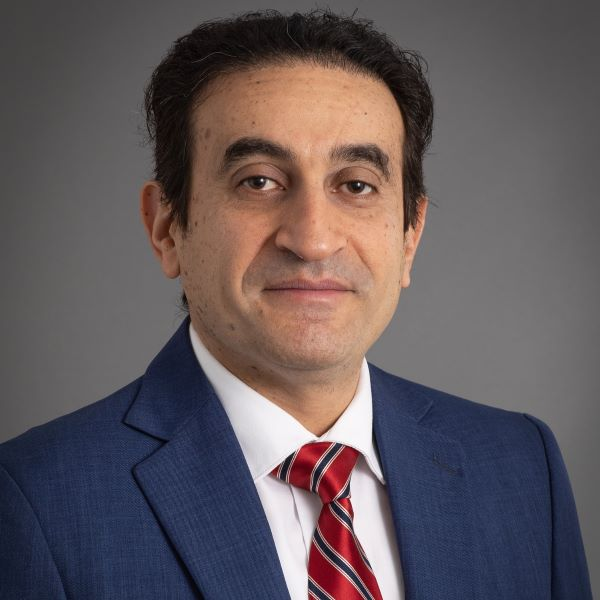
Department of Anesthesiology, University of Wisconsin, WI, USANeuroimmunity; Public health
Alaa Abd-Elsayed, MD, is a UW Health anesthesiologist and the medical director of the Pain Management Clinic. Dr. Abd-Elsayed treats patients with chronic pain in the back, neck, knees, shoulders, hips and other areas. He also uses neuromodulation, a therapeutic technique, to manage neuropathic pain in the nervous system. Dr. Abd-Elsayed is an associate professor in the Department of Anesthesiology at the University of Wisconsin. He focuses his research on treating pain with interventional procedures, including electrical stimulation and sacroiliac joint function.

Institute for Advanced Study, Tongji University, Shanghai, ChinaHippo pathway, gastric cancer, targeted therapy
Dr. Liwei An is an associate researcher at the Tenth People’s Hospital affiliated with Tongji University. His research focuses on the molecular and cellular mechanisms underlying gastrointestinal tumorigenesis, particularly in areas such as the Hippo signaling pathway and DNA damage repair. He obtained his Ph.D. from the Li Ka Shing Faculty of Medicine, The University of Hong Kong, after completing his M.Sc. at the Wuhan Institute of Virology, Chinese Academy of Sciences, and B.Sc. at West China School of Public Health, Sichuan University.

Bioprocessing Technology Institute (BTI), A*STAR, SingaporemRNA vaccines; Mucosal vaccines; Lipid nanoparticles; Nanobiotechnology
Group Leader at A*STAR Bioprocessing Technology Institute (BTI), working on the development of microneedles and other micron-scale biomaterials for delivery of mRNA vaccines and therapeutics.

Pediatric Infectious Disease Unit, Hospital Dona Estefânia, Centro Hospitalar Universitário Lisboa Central, Lisboa, PortugalMolecular biology; Immunology; Genetics; Antibodies
I am an assistant professor at FCT (Universidade Nova) and a group leader at the same institution, where I supervise a team composed of two junior students, one researcher with a master’s degree, and one post-doc. Over the course of my career, I have independently secured eight external competitive grants and fellowships for my team, totaling approximately €1.2 million. I have authored 44 publications, including 30 international papers, with 27 peer-reviewed articles in top journals such as Nature Communications, Molecular Cell, and The Journal of Experimental Medicine. My work has achieved an average impact factor of 10.1

Department of Pharmacy, University "G. d'Annunzio" of Chieti - Pescara, Chieti, Abruzzo, ItalyLiposomes; Nanoparticles; Immune delivery; Antimicrobial nanomedicine
Associate Professor at Department of Pharmacy, University "G. d'Annunzio" of Chieti - Pescara
1999 – 2004, M.Sc. in Pharmacy, University of Catanzaro “Magna Græcia”
2008 – 2012, Ph.D. in Pharmaceutical Science, University of Catanzaro “Magna Graecia”:
“Supramolecular vescicular aggregates: innovative drug delivery systems for anticancer therapy”,
mentor: Prof. Donatella Paolino (S.S.D. CHIM/09 – Applied Pharmaceutical Technology).
Main research fields: design, preparation, physicochemical characterization and in vitro and in
vivo evaluation of Supramolecular Nanotherapeutics for local and systemic delivery of bioactive
compounds.

Department of Microbiology, University of Hong Kong, HongKong, ChinaEmerging infectious diseases; Viruses; Antivirals; Coronavirus; Zika virus; Influenza; Microbial immunology; Clinical microbiology
He is an internationally recognized expert in virology and immunology, with outstanding contributions to microbiology, infectious disease control, and emerging pathogen research.
He has been named a Highly Cited Researcher by Clarivate in both Microbiology and Immunology from 2021 to 2024 and has been ranked among the top 1% of global scientists since 2015. He is also listed among the top 2% most-cited scientists globally by Stanford University since 2019. In 2024, he was elected as a Member of the Hong Kong Young Academy of Sciences and received the prestigious RGC Research Fellow Award from the Research Grants Council of Hong Kong.
One of his first-author publications, published in The Lancet, was selected in 2023 as one of the 34 landmark papers in the journal’s “200 Years of The Lancet” timeline. His scientific contributions have earned numerous international accolades, including the 2023 Dalton Horizon Prize from the Royal Society of Chemistry, a Gold Medal at the 48th Geneva International Exhibition of Inventions, and the 8th VCANBIO Innovation Breakthrough Award in Biomedical Sciences.
He has also received multiple early-career honors, such as the Biomedicines and Pathogens Young Investigator Awards (2021), the Gold Medal for Best Original Research by Young Fellows from the Hong Kong Academy of Medicine (2021), and the State Scientific and Technological Progress Award (2nd Class) from the Chinese Government (2019). He is a Fellow of the Infectious Diseases Society of America (FIDSA), the Royal Society of Biology (FRSB), and the Institute of Biomedical Science (FIBMS). Since 2017, he has served as the American Society for Microbiology (ASM) Young Ambassador to Hong Kong.
His research has significantly advanced our understanding of virus transmission dynamics and therapeutic development, especially during the COVID-19 pandemic, where his team’s discoveries played a key role in early identification and response strategies.
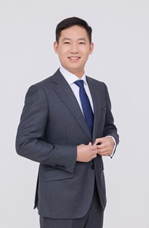
Institute of Animal Science and Veterinary Medicine, Shandong Academy of Agricultural Sciences, Jinan, ChinaBacteriophage; Genome; Lysin; Gene editing; Drug resistance gene
Deputy Chief of the Veterinary Public Health Innovation Team at the Institute of Animal Husbandry and Veterinary Medicine of Shandong Academy of Agricultural Sciences, Young Top notch Talent of Shandong Academy of Agricultural Sciences, Deputy Director of the Sino British Bacteriophage Joint Laboratory, and Deputy Director of the Bacteriophage Professional Committee of Shandong Agricultural Society. Mainly engaged in the research of phage gene editing and its receptor mechanism. Published over 20 relevant papers (H-index 17) as the first author or corresponding author in journals such as Cell and Nature. Authorized 8 national invention patents and participated in the compilation of 4 academic works in both Chinese and English. Obtained 1 main technology promotion and 2 group standards in Shandong Province. Hosted 6 projects including the National Natural Science Foundation, National Key Research and Development Program (projects, sub projects), and Shandong Provincial Natural Science Foundation.


College of Marine Sciences, State Key Laboratory of Mariculture Breeding, Key Laboratory of Marine Biotechnology of Fujian Province, College of Life Science, Fujian Agriculture and Forestry University, Fuzhou, 350002, ChinaImmunology and Disease Control of Marine Fish
Beijing Institute of Genomics, Chinese Academy of Sciences (China National Center for Bioinformation), Beijing, ChinaGenomics of Pathogens Infectious Diseases; Synthetic Biology
Dr. Fei Chen is a Professor at the Beijing Institute of Genomics, Chinese Academy of Sciences (China National Center for Bioinformation), a CAS "Hundred Talents Program" Type-A Awardee, and Chief Scientist of the National Key R&D Program. Since returning to China full-time in 2012, his team has focused on the genomics and biosafety of highly pathogenic microorganisms/infectious diseases, as well as synthetic biology and intelligent biomanufacturing. He has published over 60 papers as first or corresponding author in top-tier journals, including PNAS, JACS, Nature Communications, NAR, CID, and Advanced Science. Furthermore, he holds over 20 authorized patents and has been honored with awards such as the Medical Science and Technology Award of the Chinese Medical Association.

Department of Clinical Oncology, Queen Elizabeth Hospital, Hong Kong, China.Genomics; Proteomics; Drug repurposing; Bioinformatics; Next-generation sequencing; Cancer biomarker; Evidence-based medicine; Extracellular vesicles; MicroRNA; Molecular diagnostics; Non-coding RNAs; Nasopharyngeal carcinoma; Non-small cell lung cancer
Dr. William Cho is a biomedical scientist at the Department of Clinical Oncology, Queen Elizabeth Hospital in Hong Kong. With a strong background in cancer biomarker discovery and translational research, Dr. Cho has published extensively in peer-reviewed journals. His research interests include genomics, proteomics, and liquid biopsy in oncology. He actively serves on editorial boards and is a frequent reviewer for international scientific journals.


Department of Microbiology and Virology, Faculty of Pharmaceutical Sciences in Sosnowiec, Medical University of Silesia in Katowice,Sosnowiec, Polandenvironmental microbiology; soil ecotoxicology; microbial biotechnology; soil microbial communities; organic pollutant biodegradation; pesticides, antibiotics, and petroleum-derived contaminants; bioremediation of contaminated soils; microbial responses to chemical stress; environmental restoration


College of Life Science and Technology, Beijing University of Chemical Technology, Beijing, ChinaThe interaction mechanism between microorganisms and the host immune system; based on the two closely related research systems of phage-bacteria hosts and pathogenic microorganisms-human hosts;

1. Department of Urology, West China Hospital, Sichuan University, China;
2. Division of Surgery & Interventional Science, University College London, Gower St, London WC1E 6BT, UKCircadian rhythm; nanomaterials; multi-omics; cancer rehabilitation
The European Association for Cancer Research (EACR) member, the British Association for Cancer Research (BACR) member and the UK Early Career Researchers in Cancer (UK ECRC) member. 2023 World top 2% scientists.
The First Hospital of Jilin University, Changchun, ChinaMicrobial Pathogenesis, Post-Translational Modifications, Bacterial effector, Pathogen-Host interactions, Proteomics
He earned her Ph.D. in Analytical Chemistry from Peking University in 2018 and completed postdoctoral training at Purdue University, USA. His recent work has been published in top journals including Nature Communications, eLife, mLife, and Advanced Science. She has led four research projects as principal investigator, with total funding exceeding 4.2 million RMB.

College of Animal Science, South China Agricultural University, Guangzhou, ChinaIntestinal stem cells; Gut microbiome-host interactions
Visiting scholar at the Sunnybrook Life Sciences Centre, University of Toronto, Canada. Received joint Ph.D. training from China Agricultural University and Southern Illinois University, USA. Main research areas include:
(1) Mechanisms and nutritional regulation of high-quality poultry product formation;
(2) Intestinal stem cell self-renewal and homeostasis;
(3) Development and application of novel green feed additives.
Currently serves as the principal investigator for three National Natural Science Foundation of China (NSFC) General Programs, one national 14th Five-Year Plan Key R&D Project, two Guangdong Provincial Natural Science Foundation projects, and one Guangzhou Pearl River Nova Program project. Has also participated in five other major national and municipal research projects.

College of Veterinary Medicine, Jilin University, Changchun, ChinaAntibacterial-Resistant bacteria; Antibacterial protein therapy
· The phages of important antibacterial-resistant bacteria (such as S. aureus, E. faecium, E. faecalis, K. pneumoniae, E. coli, P. aeruginosa, etc.), Phage and antibacterial protein therapy.
· The mechanism of antibacterial protein (such as lysin, depolymerase, etc.) derived from phages.
· Interaction between bacteriophages and host bacteria.


Department of Neurology, Xuanwu Hospital, Capital Medical University, Beijing, ChinaMicroglia; Monocytes; Macrophages; Multiple sclerosis; Leukoencephalopathy; Neuromyelitis optica spectrum disorders; CSF1R gene; Immunity
Dr. Jinming Han is a neurologist at Xuanwu Hospital, Capital Medical University, Beijing, China. Dr. Han obtained an MSc in neurology from Jilin University, China and a PhD from Karolinska Institutet, Sweden. His research interest focuses on exploring novel immunotherapies for neuroinflammatory diseases such as multiple sclerosis (MS) and neuromyelitis optica spectrum disorders (NMOSD) using big data. Dr. Han’s research topics also include colony stimulating factor 1 receptor (CSF1R)-related leukoencephalopathy and whole-genome sequencing, carrying out a strongly linked research program aimed at applying updated knowledge from experimental studies to clinical situations. Dr. Han has published over 60 scientific papers and reviewed over 600 scientific papers. He has wide experience with editing scientific papers and managing critical decisions.

BioInnovation Institute, Copenhagen, Denmarkbiomedical data science, omics integration, metabolic systems biology, host-microbiota interactions, microbiome
His research focuses on 1) metabolic systems biology, with an emphasis on the structure–function relationships of the human gut microbiome in health and disease; 2) multi-omics, with an emphasis on cancer, metabolic disease, and host–microbiota interactions in humans; and 3) metabolism, with an emphasis on secondary metabolism in bacteria, fungi, and plants. He/She is particularly interested in the factors that govern gut microbiome dynamics and in investigating the role of complexity in how microbes interact and evolve, using both computational and experimental approaches.

Hangzhou Medical College, Hangzhou, ChinaClostridioides difficile
Director of the Zhejiang Provincial Key Laboratory of Biomarkers and Translational Research in In Vitro Diagnostics, and Director of the Clinical Microbiology Institute. Completed postdoctoral training at Vanderbilt University, USA, and was a senior visiting scholar at Memorial Sloan Kettering Cancer Center. Selected for multiple provincial-level talent programs in Zhejiang Province and recognized as one of the first “Rising Stars in Medicine” in Zhejiang.


Department of Endocrinology, Asclepeion Hospital, Voula, Athens, GreeceBreast cancer; Neuroendocrinology; Melatonin; Thyroid cancer; Vitamin D; Autoimmune diseases
Ifigenia Kostoglou-Athanassiou is a Consultant Endocrinologist. She has been involved in research in melatonin, thyroid cancer, osteoporosis, autoimmunity and vitamin D. She has published several papers and has been awarded various prizes.

Department of Veterinary Medicine, School of Sciences and Technology, University of Evora, Evora, PortugalMicrobiology; Molecular biology; Fermented foods; Antimicrobial resistance; Bacterial evolution
PhD in Biology, 2007
Assistant Professor & Senior Researcher, Universidade de Évora, Portugal
MED-Mediterranean Institute for Agriculture, Environment and Development (Food Science and Technology Group)
CHANGE-Institute for Global Change and Sustainability, Associate Laboratory
PI of the ERASMUS+ FoSaMed-"Enhancing Food Safety in the Mediterranean" project
h-index=27
2 edited books
16 book chapters
more than 60 full research papers in international peer-review journals
Supervision of 3 PhD, 5 Masters, and more than 30 undergraduate students
President of the UNIMED Subnetwork on Food & Water (UNIMED Office at the Universidade de Évora)
COST-PIMENTO-MC member and Science Communication Coordinator


School of Pharmacy, The Chinese University of Hong Kong, Shatin, Hong Kong, ChinaNanotechnology in drug delivery; Bacteriophages
Dr. Sharon Shui Yee Leung received her B. Eng. (Chemical Engineering) in 2007 from the Hong Kong University of Science and Technology and completed her PhD (Chemical Engineering) in the University of Sydney in 2012. After her PhD, she joined the Faculty of Pharmacy in the University of Sydney with interest in developing technology platforms for the production of engineering particles for respiratory delivery. In 2014, she was awarded a Postdoctoral Fellowship from the Faculty of Pharmacy to develop technologies for aerosol delivery of bacteriophages to combat multidrug-resistant (MDR) bacteria. Sharon joined the School of Pharmacy at the Chinese University of Hong Kong in April 2018. Her research focuses on incorporating engineering approach with formulation designs to advance the science and potential application of phage and phage-encoded proteins as novel antibacterial agents to address the threats associated with MDR bacteria.


State Key Laboratory of Oncogenes and Related Genes, Center for Single-Cell Omics, School of Public Health, Shanghai Jiao Tong University School of Medicine, Shanghai, ChinaFungal infection; Cancer development; Fungal microorganisms
The human body harbors a dynamic micro-ecological system, microbiota, which interplays with different physiological processes and disease susceptibilities. Although there is a similar number of bacterial cells as compared with human cells in the body, the 100-fold higher genetic diversity of bacteria encodes for outstanding mechanistic and metabolic competences that influence not only their own microbial niche, but host tissue–specific and immune cell functions. Beyond bacteria, the human microbiome is also composed of eukaryotic fungi, archaea and viruses, which is thus called “four-kingdom microbiota”. Fungal mycobiome are ubiquitous and common microbes in diverse environments including as commensal organisms on the human body. The mycobiome has been appreciated as important for the development, maintenance, and instruction of the immune system, which is critical for human health and diseases progression. Our research interests are as follows:
-
Mechanistic investigation of fungal-host interaction
-
The role of nutrition in modulation of mycobiome and human health

NHC Key Laboratory of Biosafety, National Institute for Viral Disease Control and Prevention, Chinese Center for Disease Control and Prevention (China CDC), Beijing, ChinaInfluenza control; T cell immunity to emerging and re-emerging viruses; Molecular mechanism of immune recognition

Department of Biomedical Engineering, University at Buffalo, Buffalo, NY, USANanobiotechnology; Nanoparticles; Microbial immunity; Cancer immunology
Broadly, our focus is on developing novel nanomedicine approaches to meet unmet needs in treating, diagnosing or preventing disease. We strive to use good engineering principles to iteratively design, synthesize, characterize, test and validate next generation nanoparticles and biosensors with the ultimate goal of making a translational impact on improving human health. Developing safer, organic nanoparticles that will allow superior treatment options for cancer therapy is a major research thrust.

Texas Biomedical Research Institute, San Antonio, USAImmunology; Virology; Vaccines; Virus-host interactions
Dr. Martinez-Sobrido is continuing his work with the New York Influenza Center of Excellence, which is part of the National Institute of Allergy and Infectious Diseases Centers of Excellence for Influenza Research and Surveillance (CEIRS) program through the National Institutes of Health. In addition to characterizing the influenza virus, as part of this project, he is working with collaborators to develop a universal flu vaccine with the use of broadly neutralizing antibodies (bNAbs) or blood proteins that can recognize key pieces of the virus to help a person’s immune system clear infected cells from the system. Studies are underway to test these bNAbs in small animal models and suitable candidates will move into nonhuman primate models.


Department of Internal Medicine, University of Genova, Genova, ItalyPharmacogenomics; Immunology; Vaccines; Biologics; HIV; Allergies; Atherosclerosis; Autoimmunity; Immune-mediated diseases; Immunodeficiency; Neuroendocrine-immunology
Giuseppe Murdaca has received his PhD in Science and Space Engineering at the University of Genova (Italy) during the period of 2000-2003. Currently, he is working as Assistant professor in Internal Medicine University of Genova (Italy).
His research has included Immunodeficiency Autoimmunity Neuro-endocrino-immunology Pharmacogenomics.
Based on this research and fellowship training he has received several awards and honors, such as:
Prize for young researchers of the study, assigned by the GILS, with the following motivation: "Standardization of a method to assess impairment by skinfold thickness skin", delivered on the occasion of the "Day VII Italian to fight Scleroderma" (Milan, 17/3 / 2001).
Award for one of the three best oral presentations at the Ninth Congress of the Inter-SIMI Piemonte and Valle D'Aosta, Liguria (Genoa, 06.17.2004): Murdaca G., Fenoglio D., M. Setti, Brenci S., Villa R., Pontali E., A. Kunkl, Indiveri F., Puppo F. "Generation of CD4 + lines specific for Pneumocystis carinii and Candida albicans obtained from HIV + patients. Meaning of the coexpression of IFN-? and IL-4 ".

1. Department of Surgery University of Colorado Denver / Anschutz Medical Campus. Denver, CO, USA;
2. National Institute of Health Sciences and Nutrition, Salvador Zubirán, Departament of Molecular Biology, Universidad Panamericana School of Medicine, MexicoCirrhosis; COVID-19; Liver regeneration; Transplantation immunology

Department of Health Sciences, University of Catanzaro Magna Græcia, Catanzaro, ItalyProteomics; Protein biomarkers; Antibiotic resistance
He conducted postdoctoral research at the University of Milano, using proteomics and mass spectrometry to improve animal welfare and combat antibiotics. He also did a two-year postdoctoral research at the University of Reading in the UK, using large-scale mass spectrometry to diagnose bovine mastitis and study the spectrum of antibiotics.
Since July 2020, he has been a researcher at the University of Magna Graecia in Catanzaro, and is also the coordinator of the project "Development and Sustainability of Typical Animal Production: Traceable and Improved Slaughtering Methods for Calabrian Dairy Products". The research activities aim to study animal welfare by applying veterinary pharmacology and toxicology sciences under the umbrella of public and global health (a single health approach).

Department of Microbiology and Hygiene, Faculty of Veterinary Science, Bangladesh Agricultural University, Mymensingh, BangladeshAntimicrobial resistance; Virulence; Food hygiene; One health
Dr. Md. Tanvir Rahman is a Professor in the Department of Microbiology and Hygiene, Faculty of Veterinary Science at Bangladesh Agricultural University and former Director of International Desk, and Director of Prof. Mohammad Hossain Central Lab of Bangladesh Agricultural University.
He is also a Fellow of the Bangladesh Academy of Science (BAS). He is an Adjunct Visiting Professor of Xinxiang University, Henan, China. Dr. Rahman completed DVM from Bangladesh Agricultural University (BAU) in 1993. Later he completed MSc and PhD from University of Guelph, Canada and University of Warwick, UK respectively and Postdoc from the Max-Planck-Institute for Terrestrial Microbiology, Marburg, Germany.


Department of Chemistry, University of Massachusetts Amherst, Amherst, USANanobiotechnology, Functional Nanoparticles and Supramolecular Architectures for Antimicrobial Therapy and Immune Regulation
He is an internationally recognized chemist and nanoscientist, known for his pioneering work in chemical biology and nanotechnology. He has been named a Highly Cited Researcher by Clarivate/Web of Science multiple times, and is a Fellow of both the American Association for the Advancement of Science and the Royal Society of Chemistry (UK). His accolades include prestigious lectureships such as the Langmuir Lecturer (ACS, 2010), Bioorganic Lectureship (Royal Society of Chemistry, 2016), and Cedric Hassell Lecturer (2014). He has received several major awards recognizing research and teaching excellence, including the NSF CAREER Award, Sloan Fellowship, Dreyfus Teacher-Scholar, Cottrell Scholar, and the Research Corporation’s Transformational Research and Education Award. He has held visiting and guest professorships at leading institutions including the Chinese Academy of Sciences and Ecole Normale Supérieure de Cachan. His contributions span decades of impactful research, innovation, and mentorship in the field.

Faculty of Medicine, Arab American University, P.O. Box 240, Jenin, Palestine and Al-Qasemi Academic College, Baga Algharbiya, IsraelAnti-Inflammatory; Immunomodulatory medicinal plants; in Vitro biological assessment


Department of Science, University of Basilicata, Potenza, ItalyPharmaceutical development; Pharmaceutical chemistry; Medicinal and Pharmaceutical chemistry; Antioxidant activity; Synthetic organic chemistry; Heterocyclic chemistry; Medicinal chemistry; Organic synthesis; Cytotoxicity; Synthesis
Dr. Saturnino Carmela is a distinguished academic and researcher in the field of pharmaceutical sciences. She earned both her undergraduate degree in Pharmacy and her postgraduate degree in Pharmaceutical Chemistry from the University of Naples, where she later completed her Ph.D. in Pharmaceutical Sciences. Throughout her academic journey, Dr. Carmela was the recipient of numerous scholarships in recognition of her outstanding research contributions.
Currently, she serves as a Professor in the Department of Sciences and Medicinal Chemistry at the University of Basilicata. Her research interests lie in pharmaceutical chemistry and drug development, and she has published extensively in several high-impact, peer-reviewed journals.
Dr. Carmela is an active member of various international scientific societies and regularly participates in global conferences, contributing her insights and staying abreast of the latest developments in her field. Her dedication to advancing pharmaceutical research and education has made her a respected figure among her peers and a mentor to aspiring scientists.


Bioinformatics and Computational Biology Program, School of Systems Biology, George Mason University, Manassas, VA, USAAdenovirus; Genomics and bioinformatics; Molecular evolution; Zoonosis
As a Scientific Advisor to the Surgeon General and the Director of Molecular Diagnostics for the USAF-EOS program, He has project management experience, dealing with research groups at the USAF Surgeon General’s Office, AFIP, NHRC, NRL and LAFB (see below for an acronym key), as well as arranging, directing and managing contract work with Commonwealth Biotechnologies, Inc. and Virapur, Inc. His lab’s current focus is in software tools development for whole genome data mining and analyses, and in the genomic and bioinformatics analysis of adenovirus genomes, with emphasis on the evolution and natural variation of these genomes.

Department of Pharmaceutical Sciences and UNTHSC Preclinical Services, University of North Texas System College of Pharmacy, University of North Texas Health Science Center, Fort Worth, TX, USAMycoplasma pneumonia; Immunity along the respiratory tract
A member of numerous professional organizations that include the American Association of Immunology and American Society for Microbiology (ASM). I have served on numerous NIH and other grant review panels, member of Editorial Board of the ASM journal, Infection and Immunity, Chair of the Association of Medical School Microbiology and Immunology Chairs committee on Education. He was the Division Chair for Division G (mycoplasmology) for the ASM. He has received several awards from our institution, including Academic Commendation of Excellence, Benjamin L. Cohen, Award for Outstanding Research Achievement, and President’s Award for Research Excellence.
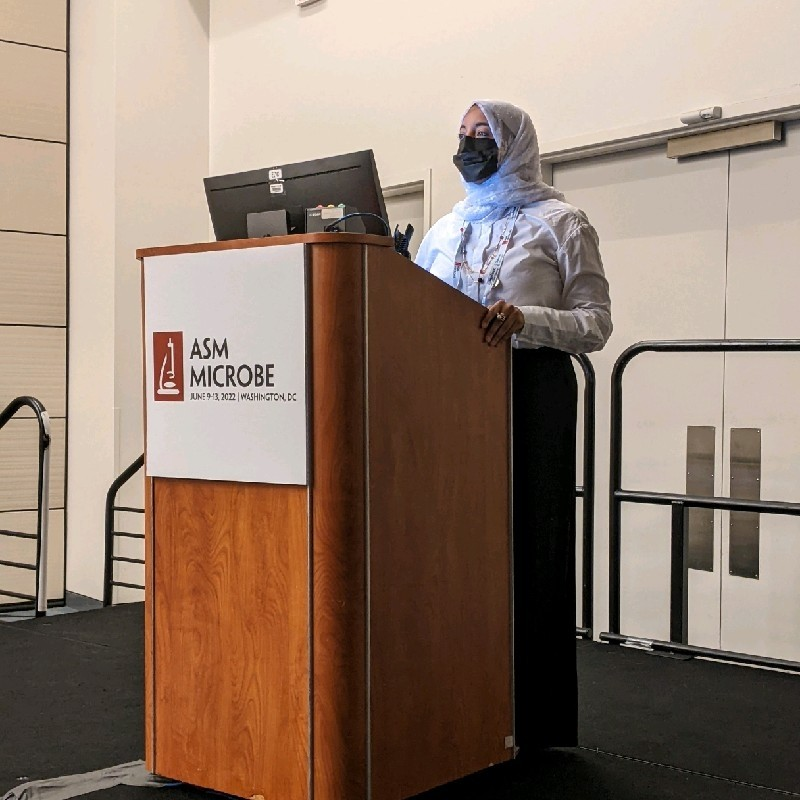

Research Scientist, Department of Medicine, Houston Methodist Research Institute, Houston, TX, USAInfection biology; Novel antibiotics; Helicobacter pylori; Drug repurposing; Intracellular bacteria
1. Accomplished medical bacteriologist, biomedical scientist, and molecular biologist with six years of post-doc
experience with animal infection model expertise. An individual with proven I.R.B., IACUC protocol handlings, ten
years of experience as a basic science researcher, and seventeen years of hands-on experience as a bacteriologist.
2. Results-driven team player, with practical knowledge and experience in analytics (descriptive, inferential, and
predictive) and along with nine years of international experience (India, South Korea, and the USA).
3. Active communicator, an excellent scientific writer with a published cumulative impact factor of 110, and problem
solver with project management experience ranging from short-term to full-scale self-funded and other working
projects.


State Key Laboratory of Pharmaceutical Biotechnology, National Institute of Healthcare Data Science at Nanjing University, Jiangsu Key Laboratory of Molecular Medicine, Medical School, Nanjing University, Nanjing, China

Department of Anaesthesia and Immunology, Harvard Medical School, Boston, MA, USAImmunology; Anaesthetization
Dr. Koichi Yuki obtained his M.D. from the University of Tokyo, Japan. After his initial medical training in Japan, he came to US and completed his surgical internship in the University of Hawaii, anesthesia residency in Massachusetts General Hospital, followed by pediatric anesthesia fellowship and pediatric cardiac anesthesia fellowship in Boston Children’s Hospital. He is currently an Associate Professor of Anaesthesia at Harvard Medical School and an Associate in Cardiac Anesthesia at Boston Children’s Hospital. He did postdoctoral research fellowship under Drs. Timothy Springer and Motomu Shimaoka (Immune Disease Institute), and his laboratory research focuses on elucidation of sepsis pathophysiology and understanding the impact of anesthetics on perioperative immune function. In addition, he is interested in performing risk stratification of noncardiac surgery in patients with congenital heart disease.

Department of Urology, The First Affiliated Hospital of Anhui Medical University, Hefei, Anhui, 230022, ChinaProstate diseases; Prostate cancer; Tumor heterogeneity; Therapy resistance; Single-cell multi-omics; Spatial transcriptomics; Molecular subtyping; Translational medicine; Precision oncology
Dr. Meng Zhang is a professor and doctoral supervisor in the Department of Urology at The First Affiliated Hospital of Anhui Medical University. His research focuses on the molecular mechanisms of prostate diseases, tumor heterogeneity, and therapy resistance, with an emphasis on translational and precision oncology. By integrating single-cell and spatial multi-omics approaches, he investigates prostate cancer progression and drug resistance to inform molecular stratification and clinical decision-making. Dr. Zhang is actively engaged in research funding, peer review, and editorial service.