

Department of Sociology and Anthropology, National University of Singapore, Singapore, SingaporeAging and health; Population studies; Economic sociology
Feng Qiushi received his doctoral degree from Duke University and is a Professor in the Department of Sociology and Anthropology at the National University of Singapore (NUS). He is also the Deputy Head of the department, Assistant Dean of the Research Division of the Faculty of Arts and Social Sciences (FASS) at NUS, and vice president of the Population Association of Singapore (PAS).
His research fields are aging and health, population studies, and development studies. He has published extensively in these fields and is particularly interested in interdisciplinary research with various research methods, such as regression-based statistics, simulation-based projection, experiment, comparative/historical, and ethnographic approaches. He has been teaching social research methods and social statistics at the undergraduate and graduate levels for more than two decades.
He is the Co-Editor of Current Sociology, Associate Editor of Asian Population Studies, and Deputy Editor of the International Journal of Population Studies. He also serves on the editorial boards of several prestigious international journals, such as the Journal of the American Geriatrics Society, Nutrients, Aging and Health Research, Journals of Gerontology: Social Sciences, Journal of Aging and Health, and Research on Aging.
His research has been supported by the United Nations Population Fund (UNPF), the Singapore Ministry of Education (MOE), and the National Medical Research Council (NMRC). He has led a MOE Tier-2 project, Lifelong Education for Aging Productively (LEAP) in Singapore, and is the PI in charge of social determinants of health for SG70, a multidisciplinary project on aging launched by NUS Yong Loo Lin School of Medicine. He recently started to lead another MOE Tier-2 project, Analyses and Projections of Households and Living Arrangements in Six ASEAN Countries (HOUSEHOLD-ASEAN).

Graduate Centre Trimberg Research Academy (TRAc), Otto-Friedrich-Universität Bamberg, Bamberg, GermanyLife-course research; Social inequality; Youth; Family; Educational sociology; Labor market research; Demography; Social stratification and mobility; Modern methods of quantitative social research; Statistical methods for longitudinal data analysis
Prof., Dr. rer. pol. Dr. h. c. Hans-Peter Blossfeld is Emeritus of Excellence of the Graduate Centre Trimberg Research Academy (TRAc) at the University Bamberg, Germany, since April 2020. He held the Chair of Sociology I at the Faculty for Social Sciences, Economics, and Business Administration at the University Bamberg from 2002 until 2020. In 2012-2017, he was on leave to take over the Chair of Sociology at the Department of Political and Social Sciences at the European University Institute in Florence, Italy.

Departamento de Análisis Económico, Universidad Zaragoza, Zaragoza, SpainAging; Health; Discrimination; Retirement; Economic growth
Rosa Aísa is Associate Professor of Economics at the University of Zaragoza. Her research focuses on health economics, demographic change, and economic growth. Additionally, her work explores discrimination patterns within specific populations, such as the Roma community in Spain, and examines labor market outcomes concerning gender, education, and poverty in Europe. Her recent studies address the implications of automation and artificial intelligence on ageing and economic growth.

Departamento de Demografia, Instituto de Filosofia e Ciências Humanas, Universidade Estadual de Campinas, Campinas, BrazilDemography and health; Mortality; Population elderly; Demographic methods; Multivariate analysis; Longevity
Graduated in Physiotherapy and holds a specialization in Geriatric and Gerontological Physiotherapy from the Federal University of Minas Gerais (UFMG), a Master's degree in Demography from CEDEPLAR/UFMG, and a Ph.D. in Public Health (Epidemiology) from the National School of Public Health (ENSP), Oswaldo Cruz Foundation (FIOCRUZ). She served as a Visiting Researcher at ENSP/FIOCRUZ from 2008 to 2011 and completed a Postdoctoral Fellowship in Epidemiology at the School of Public Health, University of São Paulo (USP).
She is currently a faculty member in the Department of Demography at the Institute of Philosophy and Human Sciences (IFCH), University of Campinas (UNICAMP), and a researcher at the Population Studies Center (NEPO/UNICAMP). She obtained her Habilitation (Livre-Docência) from IFCH/UNICAMP in the field of Demographic Theory and Methods.
Her research expertise spans Demography, with a focus on the components of demographic dynamics; Public Health (Epidemiology), with an emphasis on statistical modeling and health information systems; and Data Science, particularly machine learning models. Her main research interests include the demography and epidemiology of aging, mortality, longevity, functional disability, health inequalities, malaria, statistical modeling, and machine learning applications.
Since 2015, she has been the leader of the CNPq Research Group on Demography and Epidemiology of Health and Aging. She has served as a member of the Editorial Board of the International Journal of Population Studies since 2017. From 2020 to December 2021, she was an Associate Editor of Cadernos de Saúde Pública (CSP), and she currently serves as its Co-Editor-in-Chief. She was also a recipient of the CNPq Technological and Industrial Development Fellowship (DTI-A) from March 2019 to June 2020.

Department of Methods and Models for Economics, Territory and Finance, Sapienza University of Rome, Rome, ItalyMigrants’ integration; Migration policies; Sexual and reproductive health of migrant populations
Elena Ambrosetti is Professor of Demography at the Faculty of Economics, Sapienza University of Rome. Her research, published in internationally renowned journals and publishing series, focuses on Mediterranean countries and in particular on fertility transition and international migration. After graduating with honors in Economics from La Sapienza University of Rome, she received her master's and doctoral degrees in Demography and Economics from the Institut d'Etudes Politiques in Paris (Sciences Po). She worked at the University of Aix-Marseille and at the Institut National d'Etudes Démographiques in Paris. She was later recruited at Sapienza University in 2008 as a tenured University Researcher. In 2018 she became Associate Professor and in 2023 Full Professor. Since 2022 she has also held the position of General Secretary of the Italian Statistical Society.
She participates and has participated in numerous international research projects. During the last 5 years, she has been scientific responsible for Sapienza for the H2020 projects Perceptions (grant agreement no. 833870) and Covinform (grant agreement no. 101016247). She is regularly invited to give lectures and seminars on demographic issues at the international level. She is a regular visiting researcher at INED (France), Université d'Aix-Marseille (France), Institut d'Etudes Politiques de Paris (France) and Stockholm University Demographic Unit (Sweden). She is a member of the editorial boards of the journals Genus-Journal of Population Sciences, European Journal of Population and was member of the editorial board of the journal Sociology of Race and Ethnicity. On several occasions she has been a consultant for Italian or international institutions on issues related to international migration (e.g. Bertelsmann Stiftung, Save the Children Italy, European University Institute, European Commission, Ministry of Interior).

ICREA; Department of Political and Social Sciences, Universitat Pompeu Fabra (UPF), Barcelona, SpainFertility; Nuptiality; Migration; Life course; Family formation; Social institutions; Assortative mating; Socio-economic inequalities
Pau Baizán is ICREA Research Professor at Pompeu Fabra University, where he teaches demography. Previously, he was research scientist at the Max Planck Institute for Demographic Research (2000-2002), doctoral student and teaching assistant at the University of Louvain (1996-1999), where he obtained his PhD in Demography, and research associate at the University of Cambridge (1994-1995).

Quantitative methods at Faculty of Organizational Studies, University of Ljubljana, Ljubljana, SloveniaLocation theory, Supply chain risk, Actuarial science, Real estate financing, Urban growth, Aging society
Professor Marija Bogataj is a distinguished scholar in operations research, statistics, and actuarial mathematics, applied also to Long-Term Care modelling, with an academic foundation that includes a diploma in mathematics, an M.Sc. in Operations Research, and a Ph.D. in Engineering Sciences — Spatial (Urban) Modelling — from the University of Ljubljana. She began her career as a research and teaching assistant at the Faculty of Medicine, University of Ljubljana, later contributed at the Faculty of Architecture, Civil engineering and Geodesy, and served as lecturer at the University of Maribor. She was elected Full professor of Operations research and statistics at the University of Ljubljana, where she also lectured on Actuarial mathematics, Location theory, and Supply chain management. She served as dean of the Faculty of Maritime and Transport. Currently, she is the head of CERRISK at the INRISK institute, supervises doctoral students in the field of social infrastructure optimization, Long-term Care and leads both national and international research projects. She has authored, co-authored, or edited more than 50 books and over 200 papers, with more than 70 published in top WoS-indexed journals. Her academic impact is reflected in over 1,700 citations, over 300 documents, and an h-index of 24, with google scholar ranking her among the most highly cited researchers in ageing studies worldwide.

Brazilian Institute of Geography and Statistics, Rio de Janeiro, RJ, BrazilPopulation projections and estimates; Demographic methods; Mortality; Population and housing censuses; Latin America
Dr. Gabriel Mendes Borges holds a Master's degree in Population Studies and Social Research from the National School of Statistical Sciences (ENCE, 2009), a Bachelor's degree in Actuarial Science from the Federal University of Minas Gerais (UFMG, 2006), and a Master's degree and Ph.D. in Demography from the University of California, Berkeley (2018).
He is currently a Geographic and Statistical Information Researcher at the Brazilian Institute of Geography and Statistics (IBGE). He served as Treasurer of the Brazilian Population Studies Association (ABEP) during the 2013–2014 term and as Administrative and Financial Secretary of the Latin American Population Association (ALAP) from 2019 to 2022.
He is a co-founder of the Latin American Population Census Observatory (OLAC). From 2015 to 2018, he worked as a Research Assistant (Country Specialist) for the Human Mortality Database project.
His research interests include population projections, mortality, fertility, demographic methods, population censuses, household surveys, and social security systems.

College of Human Sciences & Education, Louisiana State University, Baton Rouge, United StatesNarratives of single; Dating; Cohabiting; Married blacks; How religion and spirituality support these families
Cassandra Chaney is a Black families’ scholar with broad interests in the formation, structure, and function of Black families. In particular, her research examines the narratives of single, dating, cohabiting, and married Blacks, as well as how religion and spirituality support these families, both historically and today. Using a variety of theoretical lenses, she qualitatively explores intimacy and commitment in Black heterosexual relationships, emphasizing how demonstrations and perceptions of masculinity/manhood and femininity/womanhood shape this discourse
In addition, her research also pinpoints factors that contribute to enduring Black marriages. Chaney also critiques the portrayal of Black families in various forms of mass media (e.g., television, screen, song lyrics). Given the unique challenges of Black families, her research provides recommendations regarding how policy can better meet the needs of Black families who experience heightened rates of incarceration, unemployment, weakened family structures, and racism.
Most important, her scholarship is rooted in a strengths-based perspective and is devoted to emphasizing the various ways that Black families remain resilient in the face of these challenges. Her work has been published in Ethnicities, Family Relations, International Journal of Qualitative Studies in Education, International Journal of Religion and Society, Marriage & Family Review, Journal of Comparative Family Studies, Journal of Family Issues, the Journal of African American Studies, Forum for Family and Consumer Issues, Negro Educational Review, the Journal of Religion and Spirituality in Social Work: Social Thought, Religion & Society, Religion, Mental Health, & Society, and The Western Journal of Black Studies.

Center for Population and Development Studies, Renmin University of China, Beijing, ChinaDemography; Environmental and resources economics
Professor Wei Chen holds a Ph.D. in Demography and is a Professor and Doctoral Supervisor at the School of Population and Health, Renmin University of China.
He has served as Principal Investigator or key participant in more than 30 research projects, including major projects funded by the National Social Science Fund of China, major projects supported by the National Natural Science Foundation of China, international collaborative research programs, and provincial- and ministerial-level research grants.
Professor Chen has published more than one hundred academic works, including scholarly monographs, textbooks, and journal articles. His research primarily focuses on population studies, demographic change

Department of Sociology and Criminology, University of Manitoba, Winnipeg, CanadaMigration; Assimilation and integration; Stratification, mobility, and inequality; Social psychology; Life course; Intergenerational mobility; Transnationalism; Quantitative, computational, and experimental Methods
Zhenxiang (Zeke) Chen is an Assistant Professor in the Department of Sociology and Criminology at the University of Manitoba. He received his PhD in Sociology from the University of California Los Angeles (UCLA). His research focuses on the social stratification, mobility, and inequality of migrants, with an emphasis on the assimilation and integration of rural-to-urban migrants and international migrants from the life-course and social psychology perspectives. Methodologically, he is interested in causal inference and using quantitative, computational, and experimental methods to answer his research questions.
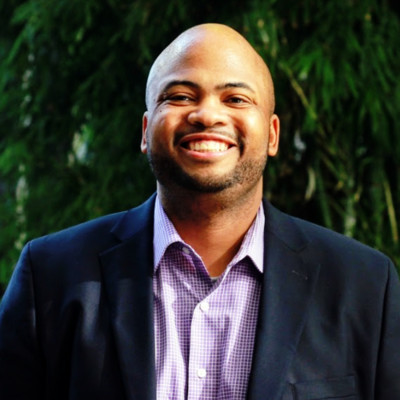
Department of Social Work, Rutgers University, New Brunswick, NJ, USAMinority; Aging; Health Disparities; Racialized Religion
Ryon J. Cobb, Ph.D. is an Assistant Professor of Social Work and Chancellor's Scholar for Inclusive Excellence in Research on Black Americans. His research focuses on the health implications of socially oppressive systems among adults and the racialization of religion in the United States. His peer-reviewed articles and other publications appear in high-impact interdisciplinary outlets such as Ethnic and Racial Studies, the Journals of Gerontology: Series A, Social Science & Medicine, and the Sociology of Religion. He also disseminates his research findings at inter/national meetings and via expert panels sponsored by the Ford Foundation and Smithsonian Institute.
Several agencies within and outside the National Institutes of Health recognize his accomplishments and promise as a scholar. Early in his graduate career, Dr. Cobb acquired funding from the Ford Foundation Predoctoral Fellowship, Louisville Institute, and the National Center on Minority Health and Health Disparities. Recently, three signature NIH programs for early-career scholars selected him, through a competitive process, as an early-career faculty fellow. These programs provide him with pilot funding and mentored training in grantsmanship to refine critical skills for writing NIH-level applications centered on reducing ethnoracial disparities and improving the renal health of older Black adults.

Department of Migration and Urban Studies, International Institute for Population Sciences, Mumbai, IndiaMigration and urbanization in developing countries; International migration; Health consequences of migration and urbanization; Mega cities and growth of slums; Migration, urbanization and development
Prof. Kailash Chandra Das, a distinguished professor and the dynamic Head of the Department of Migration & Urban Studies at the International Institute for Population Sciences (IIPS) in vibrant Mumbai, India, is a luminary in the realm of population studies. With a Ph.D. from the very institution where he now spearheads transformative research, Prof. Das illuminates the intricate interplay between migration and women's health and development. His intellectual canvas spans migration and reproductive health, climate refugees, migration's impact on development, and the myriad challenges therein. Prof. Das has left an indelible mark in the South Asian health arena, championing migration rights and policies through his prolific publications in esteemed journals and edited volumes, unraveling the nexus between migration and multidimensional development challenges. A globe-trotting scholar, he has graced nearly 20 international conferences, captivating audiences with his innovative insights and visionary ideas. Prof. Kailash Chandra Das is not just an academic; he's a trailblazer reshaping the future of migration studies.

Department of Statistics, Informatics, Application "Giuseppe Parenti" (DiSIA), University of Florence, Florence, ItalyDemographic transition and demographic dividend; Economic demography; International migration; Life table and its applications; Mortality; Pension and retirement; Population aging; Population economics
Professor of Demography at the University of Firenze (Italy), he is a member of several national and international professional associations (EAPS, PAA, AIDELF, ...). He has participated in a few international research projects (e.g. “FAMICHIP - New Family Patterns in Italy and Poland: Finding the Determinants of the Change” and “MAGGIE - Major Ageing and Gender Issues in Europe”).
His main research interests are those that link demography to economics, e.g. ageing and pension problems, and cost of children.

Department of Social Geography and Regional Development, Charles University, Praha, Czech RepublicMigration studies; Ethnicity and race; International migration; Migrants' social integration; Migration policies; Minority populations; Refugees; Sociology of diversity
Dušan Drbohlav is Professor in the Department of Social Geography and Regional Development, Faculty of Science at the Charles University in Prague and a leader of the GEOMIGRACE (Geographic Migration Centre) research team.

Bremen International Graduate School of Social Sciences (BIGSSS), University of Bremen, Bremen, GermanyLife-course research; Family dynamics; Family policy; Gender; Work-life balance; Longitudinal research methods
Sonja Drobnič is Research Professor of Sociology at the University of Bremen. She holds a diploma degree in Sociology from the University of Ljubljana, a master’s degree from Syracuse University, and a Ph.D. in Sociology (1992) from Cornell University. She has been a fellow at the Radcliffe Institute for Advanced Study at Harvard University, and a research fellow at Stockholm University, KU Leuven, and the National University of Singapore. Her research focuses on social stratification and gender inequalities, job quality and work-family issues, social networks, life-course research and longitudinal methods, and family policies from a global perspective. Her publications include Careers of Couples in Contemporary Societies: From Male Breadwinner to Dual-Earner Families (ed. with H.-P. Blossfeld, 2001, Oxford University Press) and Dividing the Domestic: Men, Women, and Household Work in Cross-National Perspective.

Population Health Sciences, Duke University, Durham, USAMedical sociology; Social epidemiology; Demography of aging; Life course perspective; Quantitative methods
Dr. Dupre is a Professor in the Department of Population Health Sciences and the Department of Sociology. He is also a Senior Fellow at the Center for Aging and Human Development. Dr. Dupre is a medical sociologist who specializes in research on aging and the life course, health disparities, and cardiovascular disease (CVD) outcomes in older adults. As an interdisciplinary researcher, he has focused on several lines of work: (i) race and socioeconomic disparities in trajectories of chronic disease and mortality, (ii) the role of social stressors in the onset and progression of CVD, (iii) the development of adaptive risk-assessment models, and (iv) the social determinants of healthy aging in China. A unifying thread in his program of research is the application of life course theory to clinical outcomes research, the integration of population- and patient-level data, and the use of innovative statistical methods to better understand how exposure to social factors shape inequalities in health and aging.Dr. Dupre is the Editor-in-Chief of the Encyclopedia of Gerontology and Population Aging (2021), co-editor of the book Disability Trends at Older Ages (in press), and has published in the leading journals of medicine, epidemiology, sociology, and public health. He has served as an advisor to the National Academy of Sciences' Committee on Population Aging and currently serves on the editorial boards for multiple journals.

Department of Statistical Sciences of the Sapienza, University of Rome, Rome, ItalyAging and health; Health expectancy; Mortality; Inequality and inequity; Family health; Longevity; Population aging; Applied demography; Censuses and surveys; COVID-19 and pandemic
Viana Egidi (viviana.egidi@uniroma1.it) is professor emeritus of Social Statistics at Sapienza, University of Rome, Department of Statistics. For many years, she was the Director of the Department of Social Statistic of the National Institute of Statistics (Istat). She participated in, and often coordinated, many national and international research projects and she was a member of the National Commission on Social Exclusion and Poverty. Her research interests are mainly focused on mortality, morbidity and survival by health status; health determinants; multiple-cause-of-death analysis; lengthening of life, ageing and health conditions of older people.

School of Demography, Australian National University, Acton, AustraliaDemography; Family; Fertility
Ann Evans gained her PhD in Demography at the Australian National University (ANU). She is currently the Pro-Vice Chancellor (Graduate Research) and is affiliated with the School of Demography, Research School of Social Sciences. Ann’s primary research interest lies in the area of inequality and family demography, and she undertakes research in the following areas: cohabitation and marriage, relationship formation and dissolution, fertility and contraception, young motherhood and migrant settlement and family formation.

Federal University of Minas Gerais, Belo Horizonte, BrazilAging; Urbanization; Social participation of older adults
She received her Bachelor's degree in Physiotherapy from the Federal University of Minas Gerais (UFMG) in 1999, a Master's degree in Rehabilitation Sciences from UFMG in 2006, a Ph.D. in Public Health with an emphasis on Epidemiology from UFMG in 2010, and completed a Postdoctoral Fellowship in Rehabilitation Sciences at UFMG in 2014.
She previously served as a member of the Teaching, Research and Extension Council (CEPE) through the Undergraduate Studies Chamber of UFMG and as Director of Academic Programs for Teaching Development (Pense) at the Office of the Provost for Undergraduate Studies (PROGRAD).
She is currently an Associate Professor in the Department of Physiotherapy at UFMG and a permanent faculty member of the Graduate Program in Occupational Studies in the Department of Occupational Therapy at UFMG.
Her research expertise lies in Physiotherapy, with a particular focus on Public Health, Gerontology, and Higher Education. Her main research interests include aging and urbanization, participation and work among middle-aged and older adults, interdisciplinary interventions, functioning and disability, primary health care, eMulti (formerly NASF) teams, and interprofessional education.

Institute of Sociology and Social Psychology (ISS), University of Cologne, Cologne, GermanySexual minorities; Gender identity; Sociology of diversity; Social exclusion; Social networks; Hegemonic heteronormativity; Intersectionalities; Survey research; Quantitative sociology
Prof. Mirjam Fischer is a quantitative sociologist specializing in sexual and gender diversity in Europe. She currently holds a Visiting Professorship in Gender Studies at Humboldt University of Berlin.
Her current research projects focus on multiple marginalization in academic career trajectories and issues related to academic freedom and freedom of speech.
Prof. Fischer's research expertise also encompasses inequalities affecting sexual and gender minority populations in social networks, family relationships, and labor market outcomes. She has extensive experience in designing and conducting primary survey data collection among sexual and gender minority communities.

Institute of Population Health, University of Ottawa, Ottawa, CanadaMedical anthropology; Public health
Dr. Angel Foster is a professor in the Faculty of Health Sciences and held the 2011-2016 Endowed Chair in Women’s Health Research. A 1996 Rhodes Scholar from Oregon, she earned her doctorate (DPhil) in Middle Eastern studies at the University of Oxford. Grounded in the fields of medical anthropology and public health, her doctoral and post-doctoral research focused on women’s comprehensive health care in Tunisia and involved more than two years of fieldwork. Dr. Foster also holds a medical degree (MD) from Harvard Medical School and both a master’s degree (AM) in international policy studies and a bachelor’s degree (BAS) in international relations and biology from Stanford University.
Dr. Foster has led multi-methods research projects on women’s health in Asia, Europe, the Middle East and North Africa, North America, and Sub-Saharan Africa; she currently leads projects in 22 countries. Prior to joining the University of Ottawa, she was a senior associate at Ibis Reproductive Health, where she directed a program of work dedicated to reproductive health issues in the Middle East and North Africa and in conflict-affected settings. She is also a principal and co-founder of Cambridge Reproductive Health Consultants, a US-based non-profit research organization dedicated to reproductive health, rights, and justice. Dr. Foster has authored more than 100 publications on reproductive health and co-edited three books: Emergency contraception: The story of a global reproductive health technology (Palgrave MacMillan 2012); Abortion pills, test tube babies, and sex toys: Emerging sexual and reproductive technologies in the Middle East and North Africa(Vanderbilt University Press 2017); and Sex in the Middle East and North Africa (Vanderbilt University Press 2022). Her fourth book, Abortion, politics, and the Pill that Promised to Change Everything: The Global Journey of Mifepristone is forthcoming (Palgrave Macmillan).
Dr. Foster sits on the board of directors of the National Abortion Federation and she chairs the board of the National Abortion Federation of Canada. She is editor-in-chief of Perspectives on Sexual and Reproductive Health and a deputy editor of Contraception. In 2017, she received the Darroch Award for Excellence in Sexual and Reproductive Health Research from the Guttmacher Institute. She is also the recipient of the inaugural Leadership Award from the Canadian Partnership for Women’s and Children’s Health, the 2018 Public Service Award from the Society for the Scientific Study of Sexuality, and the 2020 Honorary Member Award from the Federation of Medical Women of Canada.

School of Social Development & Social Policy, Beijing Normal University, Beijing, ChinaLong-term care; Elderly care services; Active aging; Social policy; Social assistance
Dr. Yuanyuan Fu is an Associate Professor and Doctoral Supervisor at the School of Sociology, Beijing Normal University, and an Honorary Research Fellow at the Sau Po Centre on Ageing, The University of Hong Kong.
Her research interests include productive aging, healthy aging, elderly care services and long-term care, intergenerational co-parenting, and lifelong education. She has led or participated as a core team member in more than 20 research projects funded by organizations such as the National Natural Science Foundation of China, the National Social Science Fund of China, the National Foreign Experts Program, the Beijing Education Science Planning Project, commissioned projects from the Department of Aging Affairs of the Ministry of Civil Affairs, and the Asian Development Bank.
Over the past five years, she has published more than 20 high-quality SSCI/SCI-indexed articles as first author or corresponding author.
Dr. Fu currently serves as a Council Member of the Elderly Care Services Branch of the China Association of Social Security, a Committee Member of the Gerontological Social Work Committee of the China Association for Social Work Education, an Editorial Board Member of BMC Geriatrics, Ageing International, and the International Journal of Population Studies. She also serves as a reviewer for more than 20 SSCI/SCI-indexed journals, including The Journals of Gerontology, Series B: Psychological Sciences and Social Sciences, Innovation in Aging, and Child Abuse & Neglect.

Population Studies and Environment and Society, Brown University, Providence, USACensus and surveys; Climate change; Family and household demography; International migration; Migration studies; Natural disasters; Population and environment; Latin America
Elizabeth Fussell is a sociologist and demographer whose research focuses on environmental drivers of migration and social inequalities in migration, health, and other post-disaster outcomes. She is an affiliate of PSTC and the Institute at Brown for Environment and Society (IBES). Fussell is currently investigating the long-term effects of the disaster following Hurricane Katrina on the residential mobility, health, and well-being of the residents of New Orleans using innovative methods and datasets in the Federal Statistical Research Data Center. She also studies the effects of hurricanes and other exogenous shocks on migration and internal migration systems in the United States, with a new focus on Puerto Rico. Her research is supported by the National Institutes of Health, the National Science Foundation, and the Russell Sage Foundation. She served as Editor-in-Chief of the Springer journal Population & Environment from 2017-2024. She is currently co-faculty director of the Equitable Climate Futures Initiative at Brown University and leads the Capacity Building Core for the Climate, Health, and Aging Innovation and Research Solutions for Communities (CHAIRS-C), a National Institute of Aging-funded climate change and health research center.

Centre of Demographic, Urban and Environmental Studies, the College of Mexico, Mexico City, MexicoApplied demography; Business demography; Centenarians; COVID-19 and pandemics; Demographic methods; Forecasts and projections; Formal demography; Mortality; Fertility; Migration; Population estimation; Probabilistic projections
Prof. Víctor Manuel García Guerrero is a Full-Time Research Professor at the Center for Demographic, Urban, and Environmental Studies (CEDUA) of El Colegio de México (Colmex). He serves as Director of the journal Estudios Demográficos y Urbanos and as Publications Coordinator of CEDUA.
He is recognized as a Level III National Researcher by the National System of Researchers of the Ministry of Science, Humanities, Technology and Innovation (SECIHTI) of Mexico. He is the founder and coordinator of the Demographic Dynamics Academic Group, which is recognized as a consolidated academic body under SEP-PRODEP.
Prof. García Guerrero is an Associate Editor of Demographic Research, a leading international journal in the field of demography, and serves as Guest Editor for its Formal Relationships section. He is also a member of the Editorial Board of the Revista Brasileira de Estudos de População.
He earned his Ph.D. in Population Studies from CEDUA-El Colegio de México. During his doctoral studies, he conducted research at the International Institute for Applied Systems Analysis (IIASA) in Austria and the Max Planck Institute for Demographic Research in Germany.
He has served as an advisor on demographic methods for the United Nations Population Fund (UNFPA), the National Population Council of Mexico (CONAPO)—where he has participated in the four most recent official population projection exercises—the Ministry of Social Development, the Inter-American Development Bank (IDB), the National Electoral Institute (INE), as well as various consulting firms, banks, and insurance companies.
His research interests include population estimation and projection and their applications in public policy and decision-making, demographic analysis, applied demography, and formal demography.


School of Family Life, Brigham Young University, Provo, United StatesAdoption; Family; Gender; Child well-being; Gender ideology; Social demography; South Asia
Ashley Larsen Gibby is an assistant professor in the School of Family Life. She received her Ph.D. in Sociology and Demography from Penn State University in 2019. Her research considers the intersection of family, child well-being, and gender. A main goal of her work is to examine how socio-demographic characteristics, primarily gender and adoption, influence parents' decision-making.

Dipartimento Metodi e Modelli per l'Economia, il Territorio e la Finanza, University of Rome “La Sapienza”, Rome, ItalyPopulation studies; International migration; Aging process; Health disparities
Cristina Giudici is associate professor of Demography at Sapienza University of Rome, coordinator of the doctoral curriculum in Demography, Ph.D. program on "School of statistical sciences", and Chairholder of the UNESCO Chair on “Population, Migrations and Development”. She holds the National Scientific Habilitation (ASN) for full professor since 2022. She is member of the European Doctoral School of Demography (EDSD) Board, and the former Deputy Dean of the EDSD hosted in Rome in the academic years 2015-16 and 2016-17. She served as expert consultant for several national and international institutions, such as United Nations, UNESCO, Council of Europe, Italian Ministry for Foreign Affairs, Italian Ministry of Interior. She is Principal Investigator of the EU project “Migration and Displacement Action Plan for Sub-Saharan Africa (MAPS) Developing policy-oriented research on Migration and Displacement in the Sub-Saharan Region. She serves as a representative for students with disabilities and learning disorders at the Faculty of Economics.

National School of Public Health, Oswaldo Cruz Foundation (FIOCRUZ), Rio de Janeiro 21041-210, BrazilPublic health; Demographics
Prof. Raphael Mendonça Guimarães holds a Bachelor's degree in Nursing from the State University of Rio de Janeiro (UERJ), a specialization in Public Health from Universidade Gama Filho (UGF), a residency in Public Health Nursing from the Federal University of the State of Rio de Janeiro (UNIRIO), a specialization in Occupational Health and Human Ecology from the Oswaldo Cruz Foundation (FIOCRUZ), a specialization in Family Health from Estácio de Sá University (UNESA, 2018), an MBA in Healthcare Management and Hospital Administration from UNESA, a Master's degree in Public Health from the Federal University of Rio de Janeiro (UFRJ), a Master's degree in Population, Territory and Public Statistics from the National School of Statistical Sciences (ENCE/IBGE), a Ph.D. in Public Health from UFRJ, and a Ph.D. in Demography from the University of Campinas (UNICAMP).
He served as a Distinguished Chair at the Herbert Wertheim School of Public Health and Human Longevity Science, University of California, San Diego. He is currently a Senior Researcher in Public Health at the Oswaldo Cruz Foundation (FIOCRUZ).
He leads the research group “LEXIS – Public Policies, Demography and Health” and the research group “Starfield – Center for Primary Health Care Studies.” He is Coordinator of the Population and Health Working Group of the Brazilian Population Studies Association (ABEP) and a member of the Health Information and Population Working Group and the Violence Working Group of the Brazilian Association of Collective Health (ABRASCO).
He is a recipient of the Young Scientist of Our State Award and the Young Researcher of Rio de Janeiro Award from the Carlos Chagas Filho Foundation for Research Support of the State of Rio de Janeiro (FAPERJ), and holds a CNPq Productivity Fellowship (Level 2).
He is a permanent faculty member of the Graduate Program in Public Health (both professional and academic tracks) and the Graduate Program in Public Health and Environment at the National School of Public Health (ENSP/FIOCRUZ). He also teaches Epidemiology and Family Health at the Institute of Medical Education of Estácio de Sá University (IDOMED/UNESA) and is a recipient of the UNESA Research and Productivity Fellowship.
His research expertise lies in Public Health and Demography, with particular emphasis on health situation analysis; mortality studies, levels and trends; epidemiological and health transitions; health inequalities; primary health care; public policy analysis; and women's health.

Department of Sociology, Maryland Population Research Center, College Park, Maryland, United StatesPopulation; Poverty; Climate change; Public health systems
Monica Das Gupta is an anthropologist and demographer, who studies how family systems shape maternal and child health outcomes, and the causes and consequences of son preference in Asia. Other work includes reviewing the literature on population, poverty, and climate change. She also studies the organization of public health systems to reduce a population’s exposure to disease, in particular the institutional arrangements of successful models of low-cost preventive public health systems in India and Sri Lanka.
Previously, she worked at the Development Research Group of the World Bank (1998-2012); the Center for Population and Development Studies at Harvard University (1992-98); and the National Council of Applied Economic Research in New Delhi (1982-92).

Academic Staff Educational and Research Activities Database, Kyushu University, Fukuoka, JapanEmployment and retirement in later life; Age-discrimination in the labor market; Pension privatization; Elderly care
Dr. Masa Higo is a sociologist who specializes in gerontology and social policy. He earned his Ph.D. in Sociology from Boston College and has served as a faculty member at several institutions in the United States, including Emerson College, Anderson University, and the University of Central Missouri. He currently holds the position of Professor at the Kyushu University International Student Center. His recent research focuses on the policy challenges related to aging in Asia, with a particular emphasis on lessons from Japan that can help address the needs of countries in East and Southeast Asia that have rapidly aging populations. His research articles have been published in several renowned journals, such as the Journal of Population Ageing, Aging & Health, Journal of Social Policy, Global Social Policy, and the Journal of Aging & Social Policy. Additionally, he has contributed to notable academic volumes, including “Retirement in Japan and South Korea: The Past, the Present, and the Future of Mandatory Retirement” (2015, Routledge) and “Ageing in Asia-Pacific: Interdisciplinary and Comparative Perspectives” (2018, Routledge). In his teaching role, Dr. Higo serves as the Primary Faculty Coordinator for the ‘Kyushu University Japan In Today’s World’ program, which is a one-year, English-taught interdisciplinary program for international students from around the globe. Within this program, he teaches courses that examine social, cultural, and policy issues in contemporary Japan and selected countries in Asia. Dr. Higo is affiliated with several professional academic organizations, including the International Association for Gerontology and Geriatrics, the Gerontological Society of America, and the American Sociological Association.


Humphrey School of Public Affairs, University of Minnesota, Minneapolis, United StatesGender; Migration; Refugees; Fertility; Marriage; Education; Labor; Inequality; Youth; Early childhood development
Dr. Caroline Krafft is an Associate Professor at the Hubert H. Humphrey School of Public Affairs at the University of Minnesota. She conducts research on development, labor, education, gender, and inequality in the Middle East and North Africa. Her current projects include work on education and labor market mismatch, skills training, pre-primary education quality and inequality, the future of work, and childcare and female labor force participation. She received her PhD from the Department of Applied Economics at the University of Minnesota and her master’s in public policy from the Humphrey School of Public Affairs at the University of Minnesota prior to beginning her doctoral studies.

Population studies and Training Center, Brown University, Providence, United StatesContraception; Fertility; Migration; Reproductive health
David Lindstrom joined the PSTC and Brown in 1994. He is a former Director of the Center for Latin American Studies and Associate Dean of Academic Affairs in the Graduate School. He has had research grants from NIH, NSF, the Packard Foundation, the Compton Foundation, and RAND. Lindstrom has published his research in Demography, Population Studies, Social Forces, International Migration Review, Studies in Family Planning and Social Sciences and Medicine, among other journals.
Lindstrom's research examines the determinants and consequences of migration in economically developing societies, the transition into adulthood, and the changing dynamics of reproductive health and behavior. In Mexico and Guatemala, he studies the interrelationship between migration and stages of the family life cycle, and the role of migration in the diffusion of urban reproductive norms and behavior back to rural places of origin. His research in Ethiopia examines the social and demographic determinants of fertility, and the influence of the social and cultural context on early life course transitions.

Methodology of Social Sciences, University of the Bundeswehr Munich, Neubiberg, GermanyFamily sociology; Social demography; Social contagion; Family and religion; Family and lifestyles; Age-period-cohort analysis
Daniel Lois is Professor of Quantitative Methods at the Faculty of Human Sciences of the University of the Federal Armed Forces Munich. He has specialized in family sociology and social demography. Secondary areas are social stratification and sociology of religion. Currently, his work focuses on social contagion effects on fertility and the change of gender role attitudes.

College of Economics, Nihon University, Tokyo, JapanPopulation economics; Aging and health; Demographic transition and demographic dividend; Fertility; Intergenerational support; Labor force population; Population aging; Marriage and nuptiality; Economic growth and development; Demographic method
Rikiya Matsukura is a researcher at the Nihon University Population Research Institute. He has also been working as a guest researcher and lecturer of demographic analysis at the Statistical Research and Training Institute of the Japanese Ministry of Internal Affairs and Communications from 2002 to the present. As a UN consultant, he has also contributed to the formulation of the latest five-year economic plan of the Laotian government.
Rikiya Matsukura has more than 20 years of experience in demographic research, his interest focusing on the development of statistical methods for complicated models and the application of these methodologies to socio-economics and population. In the field of population and economy, in recent years he has been contributing to the development of the latest economic indices, the National Transfer Accounts.
He has published articles in distinguished international journals such as Demography, Population and Development Review, The European Journal of Population, Asian Population Studies and Asia-Pacific Population Journal. Also, he has contributed numerous chapters to books on population economics published by NBER, Springer, Edward-Elgar and others.
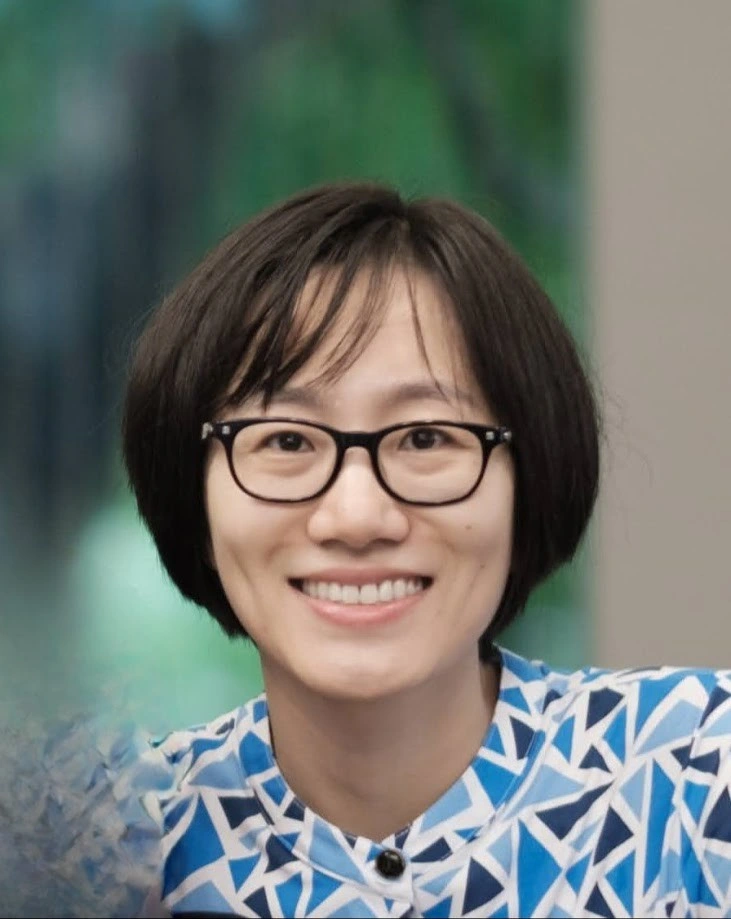
National University of Singapore, Singapore City, Singaporemarriage and family, fertility, ethnicity, migration, subjective well-being, child development, quantitative methods, and mixed methods
Dr. Zheng Mu is an Associate Professor in the Department of Sociology and Anthropology at the National University of Singapore. She is also a faculty associate at the Centre for Family and Population Research (CFPR) at NUS.
She completed her undergraduate studies at Peking University. She then pursued graduate studies at the University of Michigan, where she received her Ph.D. in Sociology in December 2013. Following her doctoral training, she worked as a Senior Research Associate at the Center for Social Research at Peking University in 2014. She later joined the Asia Research Institute (ARI) and CFPR at NUS as a joint postdoctoral research fellow from January 2015 to July 2016.

College of Arts and Sciences, Fort Valley State University, Fort Valley, United StatesDemographic change; Demography and population studies; Social demography; Quantitative analysis; Social statistics
Komanduri Murty , Ph.D., is Alma Jones Endowment Professor of Social Justice at Fort Valley State University. He is the author or co-author of over a dozen books and over a hundred book chapters and journal articles which have appeared in numerous books, encyclopedias, and peer-reviewed journals; and, presented over a hundred articles at professional meetings, both nationally and internationally. He served as professor and chairman of criminal justice and sociology for 25 years at Clark Atlanta University, where he received the 2005 Aldridge McMillan award for Outstanding Overall Achievement. He directed numerous Masters’ theses and doctoral dissertations and served as an overseas examiner to adjudicate many international doctoral dissertations in Law and other disciplines. He also served on research grant review panels at United Negro College Fund Special Programs; Substance Abuse and Mental Health Services Administration (SAMSHA); National Institute of Mental Health; National Institute of Health; and Georgia Department of Children and Youth Services.

Department of Development Studies, International Institute for Population Sciences, New Delhi, IndiaPopulation and development; Dynamics of fertility; Dynamics of migration; Gender and development; Population ageing; Maternal and child health
Rangasamy Nagarajan currently works as Professor at the Department of Development Studies, International Institute for Population Sciences.

Department of Sociology, Stockholm University, Stockholm, SwedenFamily demography; Public policy
Livia Sz. Oláh is Associate Professor of Demography at the Department of Sociology, Stockholm University, with expertise also in law and political science, comparative welfare state research and gender studies. She is also affiliated to The School of Social Sciences at Södertörn University, Sweden where her most recent project "Vulnerability and partnership dynamics in the Baltic Sea region: Similarities and differences within and between Eastern European and Nordic countries", supported by the Foundation for Baltic and East European Studies is placed. As Project coordinator of FamiliesAndSocieties (“Changing Families and Sustainable Societies: Policy contexts and diversity over the life course and across generations” www.familiesandsocieties.eu) in the EU 7th Framework Programme (Febr. 2013 – Jan. 2017), and Principal Investigator of the Swedish part of the international comparative project “Explaining very low fertility in postindustrial societies” (http://lowfertility.sociology.su.se) financed by Riksbankens Jubileumsfond, Olah has accumulated extensive experiences of leading and participating in international research collaborations. She participated in the Network of Excellence RECWOWE (Reconciling Work and Welfare in Europe; 2006-2011), served as academic observer for Sweden in the European Alliance for Families (2009-2012), a member of the editorial board of several international scientific journals (Cogent Social Sciences, Frontiers in Sociology, International Journal of Population Studies, Socio.hu Social Science Review, The Open Demography Journal), as well as of reference groups for Swedish government reports on family issues. She served as grant evaluator for the European Research Council (remote referee), the Swiss National Science Foundation, and The Leverhulme Trust, UK, and was invited expert at EC round table meetings and a UN expert group meeting.
Oláh's main research interests are: family demography in comparative perspective, policy impacts on fertility and partnership dissolution, and the interplay of family patterns and societal and familial gender relations. She has published in high-quality international journals, in addition to chapters in a number of edited volumes. She has provided numerous keynote addresses at international conferences in Europe and Japan, and was interviewed in various national and international media (print and broadcast) across the world.


Department of Sociology, Faculty of Social Sciences, University of Lagos, Lagos, NigeriaFertility; Mortality; Migration; Nuptiality; Family planning; Gender issues; Population health
I am a Professor of Sociology, Demography, Population Studies and Social Research at
the University of Lagos (UNILAG), Lagos, Nigeria; Member, Governing Council of Glorious
Vision University (GVU) formerly known as Samuel Adegboyega University (SAU), Ogwa, Edo
State & Lagos, Lagos State, Nigeria; Chairman, Faculty of Social Sciences Research Committee
(FSSRC); Member, University of Lagos Central Research Committee (UNILAG-CRC);
Chairman, Demography and Population Studies (DPS) Unit, Department of Sociology,
UNILAG; former Head of Department (HOD) of Sociology, UNILAG; Member, University of
Lagos Medical Centre Board (UNILAG-MCB); former Chairman, Faculty of Social Sciences
Seminar Series Committee (FSSSSC); Member, Faculty of Social Sciences Appointments and
Promotions (A&P) Committee (Professorial); Member, Faculty of Social Sciences Appointments
and Promotions (A&P) Committee (Non-Professorial); Member, University of Lagos Senate;
Coordinator, UNILAG Demography, Population, Health and Development Studies Research
Group (UNILAG-DPHDSRG) at the University of Lagos.
I obtained a B.Sc. degree in Demography and Social Statistics from Obafemi Awolowo
University, Ile-Ife, Nigeria. Furthermore, I obtained a M.Sc. and Ph.D. degrees in Sociology
(Demography and Population Studies) from the University of Ibadan, Nigeria. My areas of
specialization and research interest include Demography and Population Studies, Migration and
Global Studies; Sociology of Marriage and Family; Gender Studies; Medical Sociology;
Quantitative Sociology, Social Inequalities, Urban Sociology and Sociology of Development.
My areas of research include Developmental Issues within the SDGs, Dynamics of Marriage,
Fertility, Mortality, Migration, Nuptiality, Family Planning, Gender Issues and Population
Health (Sexual, Reproductive, Maternal, Newborn, Child and Adolescent Health - SRMNCAH)
and Development Studies. I have worked for over twenty years in the university and with local
and international organizations in and outside Nigeria. I am is an erudite scholar and a recipient
of various research grants and fellowships within and outside Nigeria. The most recent grant was
the National Research Funds (NRF) Grant from TETFund, Abuja, Nigeria on Migration
Dynamics and Development in Nigeria. Specifically, I have led and coordinated many
development’ research projects which were funded by international and national donor agencies
such as UNICEF, UNDP, The United Nations Population Fund (UNFPA), World Bank, NACA,
LSACA, UNAIDS and National Population Commission (NPC). I have also worn several
Research Grants from different Organisations and Foundations at local and international levels
such as UNILAG-CRC, Lagos; TETFUND-NRF, Abuja; CODESRIA, Senegal; and IANPHI,
Finland.
I have authored over ninety (90) articles in local and foreign learned journals and books.
Specifically, his articles had appeared in leading international/foreign journals in social sciences,
sociology, population and development studies, including The International Social Science
Journal, a publication of UNESCO, which has been translated to about five world leading
languages; The Nigerian Journal of Sociology and Anthropology, a publication of the Nigerian
Anthropological and Sociological Association (NASA); GENUS-Journal of Population
Sciences, a publication of the International Union for the Scientific Study of Population (IUSSP);
African Population Studies, a publication of Union for African Population Studies (UAPS);
Journal of the Population Association of Nigeria, a publication of Population Association of
Nigeria (PAN); Journal of Higher Education in Africa, a publication of Council for the
Development of Social Science Research in Africa (CODESRIA) and SAGE Open, a publication
of SAGE Publications, USA.
3
In addition, I have authored and co-authored many books in the areas of sociology, social
research methods and development studies, most recent ones are: Experiences and Responses
following Widowhood: Insights from the Life Histories of 20 Nigerian Women; Issues in Sexual
Harassment in Nigeria’s Tertiary Institutions: Conspiracy, Compromises and Challenges; Socio-
Cultural Context of Adolescent Fertility in Yoruba Society: Insights from Osun State, Nigeria;
Male Fertility and Reproductive Health Behaviour in Yoruba Society: An Explanatory Study;
Migration and Urbanisation in Contemporary Nigeria: Policy issues and Challenges; Street
Children in Nigeria: Issues and Perspectives; and Sociology and the Crisis of National
Development. I am one of the leading social scientists in the Africa continent; rooted and
grounded in ontological, epistemological and other philosophical ideologies that guide
pedagogical discourses and debates in sociological cum behavioural sciences globally.
I have supervised over 200 undergraduate dissertations, more than 90 M.Sc. and 9 PhD theses.
My current projects focus on Child, Youth and Development; Social Inequalities and Gender
Studies, Migration/Mobility and Challenges of Sustainable Development Goals (SDGs) at
community level. I was a visiting Senior Lecturer (Sabbatical Leave) at the Department of
Demography and Social Statistics, Faculty of Social Sciences, Obafemi Awolowo University,
Ile-Ife, Nigeria in 2014 and a Research Professor of Migration and Global Studies at the Centre
of Excellence in Migration and Global Studies (CEMGS), National Open University of Nigeria
(NOUN), Jabi, Abuja in 2024. Currently, I serve as a Professor of Sociology, Demography,
Population Studies and Social Research at the Department of Sociology, Faculty of Social
Sciences, University of Lagos, Akoka, Yaba, Lagos, Nigeria where I teach the following
Courses: Demography and Population Studies, Sociology of Marriage and Family; Introduction
to Sociology; Introduction to Population Studies; Social Research Methods; Social Statistics;
Sociology of Gender Studies; Sociology of Urban Life; Migration & Development; Social
Inequality, Marriage & Family Planning; Population Policies & Programmes among others.
As noted earlier, I have been able to demonstrate academic leadership by pioneered and lead a
research group named “UNILAG Demography, Population, Health and Development Studies
Research Group (UNILAG-DPHDSRG)” with emphasis on: (1) attracting research grants from
local and foreign research foundations/grants awarding institutions in addition to other forms of
research funding from both national and international development agencies in the country in the
areas of demography, population studies, health and development studies; (2) documentation and
dissemination of various research findings through publication of qualitative research papers in
forms of articles in learned journals, chapters in books, monographs, and textbooks; (3)
translation of various research findings into policy documents/papers which will inform
appropriate developmental programmes and intervention activities that can be adopted by the
State actors (federal, state and local government), non-State actors (civil societies, community
based organizations and non-governmental organizations), industries (local and international)
and various international development agencies working on developmental issues in country and
continent. The intellectual activities of this research group are geared toward contributing
significantly to the existing body of knowledge in the areas of sociology, gender studies, social inequality,
population health, social research and development studies, through rigorous academic researches and
developmental activities. The group has recorded a significant success since inception in pursuance of its
goals and objectives. In conclusion, Professor Oyefara is a Fellow of the Nigerian Anthropological and
Sociological Practitioners Association (FNASA). I am the current Managing Director of UNILAG
Consult Ltd, a consulting arm of the University of Lagos, Akoka, Yaba, Lagos, Nigeria.

Departamento de Estatística, Universidade Federal da Paraíba, João Pessoa, BrazilFamily Health; Primary care; Infant mortality; Live birth
Neir Antunes Paes. Postdoctoral researcher at the School of Public Health of the University of Porto, Portugal (2013). Postdoctoral researcher at the Johns Hopkins Public Health School, USA (2005). PhD in Health Demography from the London School of Hygiene and Tropical Medicine, University of London (1993). Master's degree in Statistics from the University of São Paulo (1982). Postgraduate degree in Demography from CELADE (Latin American Demographic Centre), Chile (1983). Bachelor's degree in Statistics from the Catholic University of Pernambuco (1976). Bachelor's degree in short-term teaching of Sciences and Mathematics from the Centro de Ciencias do Nordeste (1973). He is a member of the editorial board of the journal Papeles de Población - Mexico and the Revista de Biometria - Brazil. He has experience in Demography and Public Health, with emphasis on population dynamics and its components and reproductive health, working mainly on the following topics: construction of demographic and health indicators, mortality by causes, vital statistics, quality of vital data, morbidity and mortality patterns, databases and population ageing. He is currently a Full Professor at the Federal University of Paraíba and works as a visiting professor in the Graduate Program in Decision Models and Health at UFPB.


Dipartimento di Economia e Statistica "Cognetti de Martiis", Università degli studi di Torino, Torino, ItalyFamily demography; Family demography; Public policies evaluation
Chiara Pronzato is Associate Professor at the University of Turin (Italy) and Collegio Carlo Alberto Affiliate since. She studied Statistics at the University of Turin and then moved to ISER, University of Essex, where she earned a Phd in Economics. In 2008, she was back to Italy with a post-doc position at Dondena, Bocconi University.
Her main research interests are in the fields of economics of the family, demography, and policy evaluation methods.
Her research appears in the Economic Journal, in the Journal of Population Economics, in the Scandinavian Journal of Economics, in Oxford Economic Papers, in the European Journal of Population, in Regional Studies, and in Review of Economics of the Household. She joined IZA as Research Fellow in March 2012.

Estonian Institute for Population Studies, Tallinn University, Tallinn, EstoniaHealth and welfare; Demography; Disability; Quantitative studies in social sciences; Behavioural patterns of immigrant population
Experienced Research Professor with a demonstrated history of working in the higher education industry. Skilled in Research Design, Lecturing, Public Speaking, Academic Writing, and E-Learning. Strong education professional with a Tallinn Technical University (MA level) focused in Tallinn University (Ph.D) from Tallinn Secondary School No. 7 (Tallinn English College).

Department of Statistics, Babasaheb Bhimrao Ambedkar University, Lucknow, IndiaApplied statistics; Sampling theory; Predictive modeling; Artificial intelligence & machine learning; Data analysis; Estimation procedures
Dr. Prayas Sharma is currently working as Assistant Professor in the Department of Statistics, Babasaheb Bhimrao Ambedkar University, Lucknow. Dr. Sharma holds a Bachelor’s degree in Computer Science & Statistics, Masters and Doctorate degree in Statistics from Banaras Hindu University, Varanasi, India. He has qualified National Eligibility Test and obtained the Junior and Senior research fellowship from UGC, India. Dr. Sharma is certified Virtual Teacher by University of California, Irvine. Dr. Sharma has good knowledge of Statistics, Artificial Intelligence and Machine Learning, Business Analytics & Research Methodology along with strong computational & programming skills.
He has more than 10 years of academic experience, both in the domain of teaching and research. He has worked earlier with reputed Institutes / Universities like Indian Institute of Management Sirmaur, Gati Shakti University (National Rail and Transportation Institute) Vadodara and University of Petroleum and Energy Studies (UPES), Dehradun. His research interest includes Survey Sampling, Estimation Procedures and Measurement Errors, Predictive Modelling, Business Analytics and Operations Research. Dr. Sharma has published more than 80 research papers in reputed National & International journals along with one book and two chapters in book internationally published. He has more than 1000 citations with H-Index 20 & I index of 27.
Dr. Sharma has a keen interest in reading, writing and publishing, he is serving 10 reputed journals as editor / associate editor such as Scientific Reports, Discover Applied Sciences, International Journal of System Assurance Engineering and Management, JRSS etc. and more than 50 journals as reviewer and reviewed more than 250 research papers from the journals like Communication in Statistics (T&F), Journal of Statistical Theory and Practice (T&F), Heliyon, Scientific Reports, Clinical Epidemiology and Global Health (Elsevier), International Journal of Productivity and Performance Management (Emerald), Benchmarking (Emerald), Quality Technology & Quantitative Management, Journal of Applied Statistics to name a few.
Dr. Sharma has attended more than 30 Conferences / Seminars / Workshops / FDPs and organized three at national level. Dr. Sharma has delivered more than 30 invited talks on the topics related to Statistics, Operations Research, Research Methodology and AI&ML, Business Analytics and Machine Learning etc. at different Institutes / Universities. He has also conducted training sessions for executives from Aviation, Medical and Energy sectors- IOCL, HPCL etc. Dr. Sharma received awards & prizes for his meaningful contribution and dedication towards research and development, which includes Young Researcher Award in ICMSCI -2026, Best Teacher Award -2025 by BBAU, International Travel Award by Uttarakhand State council for Science & Technology (UCOST), an outstanding reviewer award, Best Researcher Award and research reward from Honourable Vice Chancellor of UPES. At UPES, Dr. Sharma played an important role in stablishing the Business Analytics both at master and bachelor level and served as Coordinator of MBA (Business Analytics) and BBA (Analytics & Big Data)
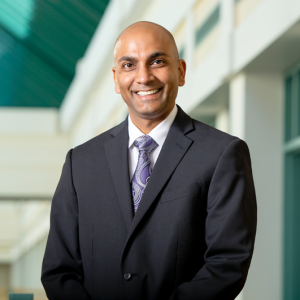
Department of Population Health Sciences, Duke University School of Medicine,Durham, United StatesMortality, fertility, infant and maternal health, tobacco control, public health
Samir Soneji is a demographer and population health researcher. He has over 15 years of experience leading analytic teams across academia, industry, and the military. His research spans tobacco regulatory control and cancer-related health policy. His work has been published in The New England Journal of Medicine, Health Affairs, JAMA Internal Medicine, JAMA Pediatrics, and the New York Times. Samir received his BS in Mathematics from the University of Chicago, MA in Statistics from Columbia University, PhD in Demography from Princeton University, and was a Robert Wood Johnson Health & Society Scholar at University of Pennsylvania. He also served in the United States Air Force as an active duty Captain and flight test analyst.

The University of Texas at San Antonio, San Antonio, United StatesSpatial demography, mortality and health disparities, maternal and child health, machine learning, Demographic and Health Surveys, rural health, educational demography, biodemography and human biology, GIS and geospatial analysis, public policy
Prof. Corey S. Sparks is a demographer and quantitative social scientist whose work sits at the intersection of population health, spatial analysis, and applied statistics. His research examines how demographic and contextual conditions shape human health, with particular attention to mortality, maternal and child health, food insecurity, and the geographic inequalities that structure these outcomes.
Methodologically, Prof. Sparks works with large survey and administrative datasets and applies hierarchical, spatial, and Bayesian models, machine learning, and reproducible analytic workflows in R. He has published more than forty peer-reviewed articles across population health, spatial demography, and quantitative methods, and teaches graduate courses in statistical and spatial analysis for population science.
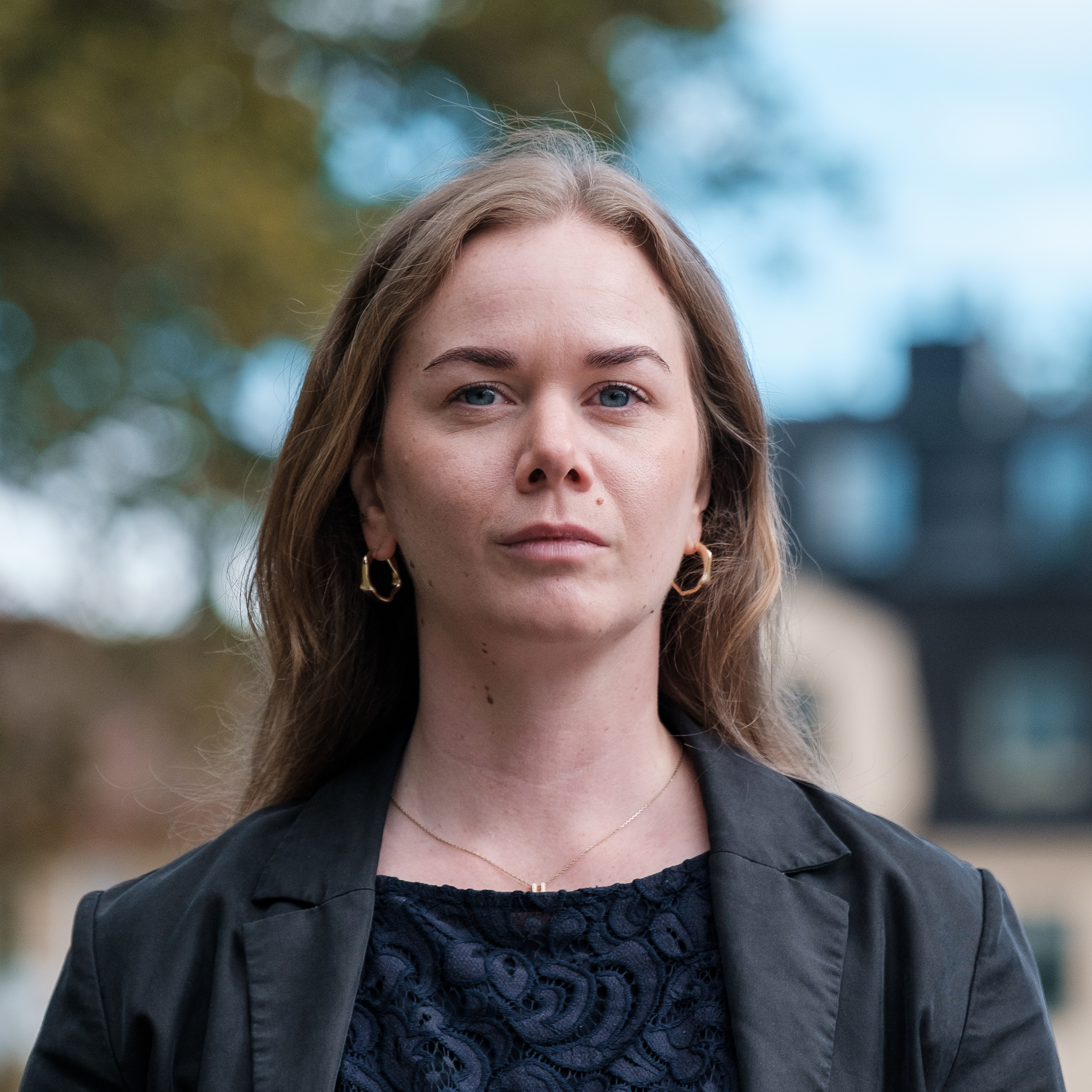
Department of Sociology, Stockholm University, Stockholm, SwedenSexual and reproductive health; gender-based violence; armed conflict; crime; disasters; intersectionality; surveys; GIS; mixed-methods
Signe Svallfors is Associate Professor of Sociology at the Department of Sociology, Stockholm University. Dr. Svallfors holds a PhD in Sociological Demography (2021). Previously a postdoctoral researcher at Stanford University and the Karolinska Institute, and a visiting researcher at Nuffield College at the University of Oxford, Columbia University, and El Colegio de México. Member of the Young Academy of Sweden (2026–), the Feminist Demography Collective Steering Committee (2026–), the KRAFT Expert Network (2026–), and the International Advisory Board of Population, Space and Place (2024–). Principal Investigator of the European Research Council Starting Grant SeRO, which applies mixed methods to understand how local violent crime affects sexuality and reproduction in Mexico. Dr. Svallfors' research focuses on the intersection of violence, social inequality, and health dynamics, with an emphasis on reproductive rights and gender-based violence in Latin America.
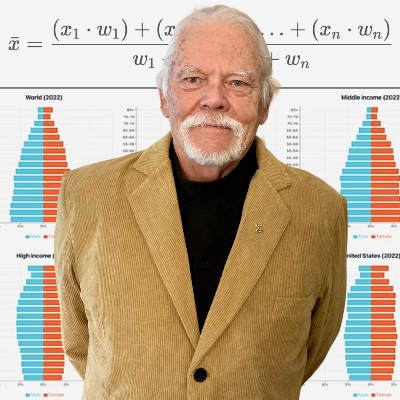
Population Research Center, Portland State University, Portland, USAPopulation dynamics; Applied demography; Demographic methods; Demographic analysis; Population, poverty, and hunger; World population issues; Market demographics; Population estimation; Census and survey methods; Population forecasting
Distinguished Professor Emeritus David A. Swanson is: (1) an Edward A. Dickson (2021) Emeritus Professor of Sociology, University of California Riverside; (2) Research Associate, Population Research Center, Portland State University; (3) Faculty Affiliate, Center for Studies in Demography and Ecology, University of Washington; and (4) Research Fellow, Social Science Research Center, Mississippi State University. Swanson served as a member of the U. S. Census Bureau’s Scientific Advisory Committee for six years (2004-10) and chaired the committee for two (2009-2010). He has been in a number of professional association roles, to include serving: as the general editor for Springer’s Applied Demography series; a member of the mortality expert panel of the Society of Actuaries Research Institute; as the Secretary-Treasurer (1995-7 and 2003-7) of the Southern Demographic association; and as the editor of its official journal, Population Research and Policy Review (2004-7). He currently is serving a two-year term on the editorial board of International Journal of Population Studies. Swanson has completed numerous consulting assignments, served as an expert witness in court proceedings and testified before Congress, state legislatures and local government bodies. He has received two Fulbright awards and more than $2.7 million in grants and contracts. Swanson has produced 137 refereed sole- and co-authored journal articles and nine books, mainly dealing with demography, especially methods for doing small area estimation and forecasting. He also has edited or co-edited five additional books. Among other professional recognitions: He is a member of Washington State Academy of Sciences; a Fellow of the Mississippi Academy of Sciences; served as a “summer at census” scholar in June, 2019, U.S. Census Bureau; and is a recipient of the Mindel C. Sheps Award (Population Association of America), the Distinguished Alumni Service Award (Western Washington University), and the Terrie Award (Southern Demographic Association). He is recognized as one of the world’s leading demographers. In addition to UC Riverside, other positions he has held include serving as an instructor for Penn State University’s online MPS degree in Applied Demography, a visiting professor at Aoyama Gakuin University in Tokyo, Dean at the Helsinki School of Economics and Business Administration (now part of Aalto University), Professor & Chair of the Sociology/Anthropology Department at the University of Mississippi, Associate Professor of Sociology at Pacific Lutheran University, Assistant Professor at Bowling Green State University, Senior Scientist at Science Applications International Corporation, the State Demographer of Arkansas, the State Demographer of Alaska, and a Research Investigator with the Washington State Office of Financial Management’s Population, Enrollment, and Economic Studies Division. His B.Sc. is from Western Washington State College (now Western Washington University), and his Ph.D. and M.A. are from the University of Hawai’i. He also holds a Graduate Diploma in Social Sciences from the University of Stockholm.

Research Department for Families and Social Relations, Hungarian Academy of Sciences Centre of Excellence, Budapest, HungaryFamily sociology; Family planning and reproductive health; Family studies; Climate change; COVID-19 and pandemic
Ivett Szalma is a research professor at Centre for Social Sciences. She earned her PhD at the Budapest Corvinus University in 2011. Her research topic included: childlessness, knowledge, and attitudes towards assisted reproduction, social acceptance of gay and lesbian families, and different family practices. She has numerous national and international publications. For example, she has published with her co-authors in the international journals Gender, Place and Culture and Archives of Sexual Behaviour. She has also been guest editor of two thematic issues of the international journal Social Inclusion. She has been involved in several international projects. For example, she was a member of the Hungarian team of the 2006-2011 RECWOWE: Reconciling Work and Welfare in Europe, FP6 and the 2013-2017 Families and Societies (FP7) project. In 2017, she was awarded an OTKA Postdoctoral Excellence Programme grant to investigate knowledge on fertility and in 2021 she received the Hungarian Academy of Sciences Momentum grant. In the framework of this ongoing grant, she established the Reproductive Sociology Research Group, of which she is the leader.

The Cardinal Wyszyński University in Warsaw, PolandHistorical demography; Household structures; Living arrangements; Family systems and intergenerational ties; Patriarchy & gendered dimensions of social and demographic processes; Historical microdata; Comparative demography; Famuły sociology
A graduate of the University of Wrocław, Dr.Mikolaj Szoltysek earned his Ph.D. in History in 2003 and completed his habilitation in 2015 at Martin Luther University Halle-Wittenberg in the field of Social and Economic History.
He has been awarded several prestigious research fellowships, including a fellowship from the Foundation for Polish Science at the Inter-university Consortium for Political and Social Research (ICPSR), University of Michigan, Ann Arbor, USA; a Marie Curie Intra-European Fellowship at the University of Cambridge, United Kingdom; and a POLONEZ 3 fellowship funded by the National Science Centre (NCN) at the University of Warsaw.
He served for many years as Head of the Laboratory of Historical Demography at the Max Planck Institute for Demographic Research in Rostock and as a Research Scientist at the Max Planck Institute for Social Anthropology in Halle (Saale), Germany.
He is the author of one scholarly monograph and more than 40 peer-reviewed publications in leading international journals, including European Journal of Population, Population Studies, World Values Research, Continuity and Change, Historical Social Research, Cross-Cultural Research, and Historical Methods.
He is also a co-founder and coordinator of one of the largest data infrastructure initiatives for sociological and historical family research, the Mosaic Project.
In addition, he serves as a member of numerous scientific committees and professional organizations in the fields of demography and population history.
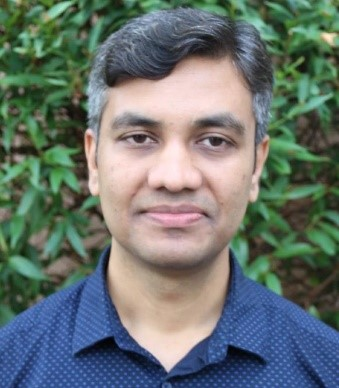

Department of Sociology, Federal University, Lafia, NigeriaDemography; Reproductive health; Research Methods; Software assisted data analysis; Population studies; Maternal health
Ugal David Betelwhobel, Ph.D, Department of Sociology, Federal University, Lafia, Nasarawa State, Nigeria. EDUCATION: Ph.D Sociology (Demography/Population) March, 2010 University of Ibadan, Ibadan, Nigeria. M.Sc Sociology (Demography/Population, ranked among the best in class) Nov., 2005 University of Ibadan, Ibadan, Nigeria. B.Sc. Sociology (Second Class Upper Division, ranked first in class), Dec., 1999 University of Calabar, Calabar, Cross River State, Nigeria . N.C.E SOS/ENG, 1997 Federal College of Education, Obudu, Cross River State Senior Secondary Certificate, 1993[1992-1993] Bedia Commercial Secondary School, Obudu [1989-1991] Hope Waddell Training Institute, Calabar. Work Experiences: At Present Senior Lecturer, Department of Sociology, Federal University, Lafia, Nasarawa State, Since 2015. Lecturer, Department of Demography and Social Statistics, Joseph Ayo Babalola University, Ikeji Arakeji, Osun State. {2007 – 2012} .Lecturer, Department of Social Studies, Federal College of Education, Obudu, Cross River State: {2006 – 2015}. Part-time Lecturer, Social Studies Department, Federal College of Education, Obudu, Cross River State [2004-2006]. Attachee under National Poverty Eradication Programme in the Federal College of Education Obudu [2001-2003].

Departamento de Estudios de Población, El Colegio de la Frontera Norte, Tijuana, MexicoSocial demography; Migration studies; Migrants' social integration; Youth and adolescence; School-age population; Mexican American; Child well-being; Socio-economic inequalities; Social inclusion and exclusion; Family studies; Quantitative analysis; Survival analysis

Department of Health Monitoring & Biometrics, aQua Institute, Göttingen, GermanyForecasting; Demography; Epidemiology; Econometrics; Labor market; Social insurance research
Dr. Patrizio Vanella received his master’s degree with a focus on statistics, econometrics, and financial mathematics from Georg-August-University Göttingen (Germany). After working for a large provider of long-term care services in Berlin and, later, an engineering company in Wolfsburg, he was a research assistant at the Center for Risk and Insurance at Gottfried Wilhelm Leibniz University, Hanover. After receiving his doctorate in economics, he was a statistician in epidemiology at the Helmholtz Centre for Infection Research (HZI) in Brunswick, simultaneously teaching at Hanover Biomedical Research School (HBRS). Currently, he is the spokesman for the Demographic Research Group and a senior health economist at the aQua Institute (Göttingen). He is a chairman of the German Demographic Society’s working group on demographic methods. Moreover, he is a guest lecturer in applied data analysis at the Chair of Empirical Methods in Social Science and Demography at the University of Rostock, where he follows his habilitation in Demography. He also teaches Statistics at the IU International University in Brunswick. Patrizio Vanella is also a freelancing consultant, providing population and household forecasts for smaller German municipalities. Furthermore, he is a guest editor for Mathematics and an editorial board member of the International Journal of Population Studies and Global Population Perspectives.

School of Social and Public Administration, East China University of Science and Technology, Shanghai, ChinaAgeing and social policy; Intergenerational relations and old-age care; Bereavement and grief; Qualitative and mixed research methodology
Dr. Ning Wang is an Associate Professor in Social Work and Social Policy at the School of Social and Public Administration, East China University of Science and Technology. With a PhD in Gerontology from the University of Southampton (UK), her research expertise lies in social policy in aging society, intergenerational care dynamics, and social policy evaluation for vulnerable populations. She has led multiple projects, including a National Social Science Foundation Youth Project on informal care for urban older adults and a Shanghai Pujiang Talent Program focusing on health trajectories of only-child parents.
Dr. Wang’s publications feature in journals such as BMC Geriatrics, British Journal of Social Work, Journal of Applied Gerontology, and Social Policy and Society, with notable works on loneliness among bereaved parents, intergenerational housing support, and caregiving’s economic impact. She has contributed chapters to Encyclopedia of Gerontology and Population Aging and collaborated on international projects with the University of Southampton and ESRC Centre for Population Change.

Department of Sociology and the Centre for Family and Population Research, National University of Singapore, Singapore, SingaporeWork-life balance; Medical demography; Health disparities; Gender and gender issues; Fertility
Dr. Senhu Wang is an Assistant Professor in the Department of Sociology and Anthropology at the National University of Singapore (NUS), holding a PhD degree from the University of Cambridge. His research interests focus on work and employment, family demography, and health & well-being, leveraging large-scale global surveys and big data, and employing various advanced quantitative and computational methods, including causal inference, experimental designs, machine learning.
Recognized as a Stanford World's Top 2% Scientists, he has published more than 70 articles in top-tier journals such as PNAS, Demography, British Journal of Sociology and Social Forces. His work has been recognized with the Award for Promising Researcher from the Faculty of Arts & Social Sciences at NUS, as well as a Research Excellence Grant from the Office of the Deputy President (Research & Technology). Additionally, his work has been funded by multiple grants from NUS and the Singapore Ministry of Education, and has garnered extensive citations and significant media coverage worldwide by over 100 organizations, including the BBC, CNN, Financial Times, The Guardian, and Bloomberg. He also holds multiple professional certifications in cloud computing and AI from Google and Amazon, as well as in blockchain.
Journal editorial board member: Work, Employment and Society (2022- present), Journal of Marriage and Family (2025 - present), Journal of Health and Social Behavior (2025-present), Social Science Research (2025-present), Chinese Sociological Review (2026-present), SSM Popualtion Health (2026-present), BMC Public Health (2021-present).
He welcomes inquiries from potential collaborators and prospective students with a strong quantitative background, including experience with large panel data analysis, experimental methods, and computational social science approaches.
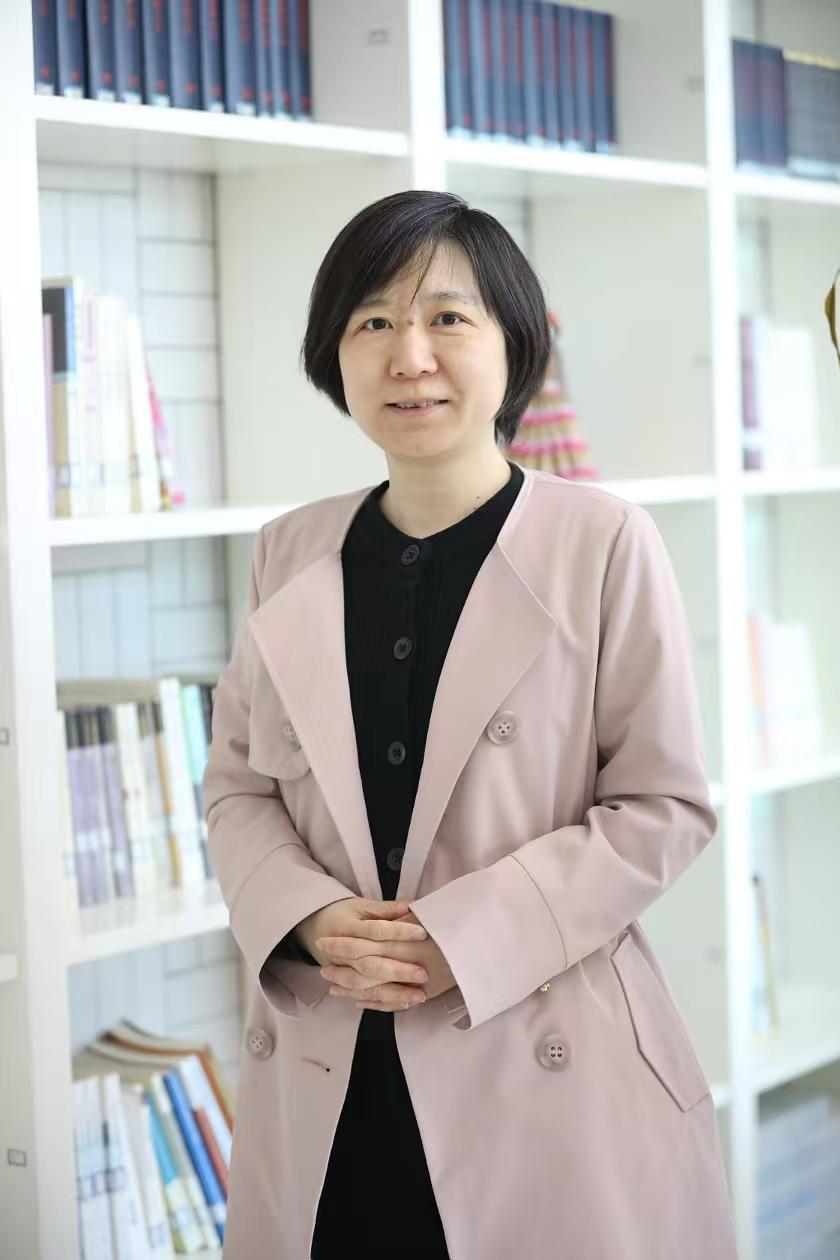

Institute of Demography and Socioeconomics, University of Geneva, Geneva, SwitzerlandInternational migration; Migrants' integration; Data collection; Demographic forecasts; Methods in demography; Big data; Immigrant surveys
Philippe Wanner is professor in Demography at the University of Geneva, Director of the Institute for Demographic and Life Course Studies and Deputy Director of the NCCR Research Center “On the Move“. He was formerly Associate Population Officer at the United Nations, Researcher and Director a.i. of the Swiss Forum for Migration and Population Studies. He works on different projects on the Swiss Demography and its impact on the Society, as well as on Migrant Health.


Queens College, The City University of New York, Queens, United StatesAging and health; Child development; Indian projects; Urban Kenya project
Hongwei Xu is an Associate Professor of Sociology at Queens College – CUNY. He is a sociologist and demographer by training and received his BA from the Department of Sociology at Peking University in 2003. After college he started his first job as a marketing manager at Hainan Airlines. Two years later, he decided to go to the academic world and applied for graduate school in the U.S. He received his PhD from the Department of Sociology at Brown University in 2012 and started his second job as a research fellow at the Institute for Social Research (ISR), University of Michigan from 2011 to 2014. He held a position as assistant research professor at ISR from 2014 to 2018.

Public Affairs, City University of New York, New York, United StatesDisability; Aging; Health and health care; Public policy
Dr. Yin’s research focuses on social security aging and disability policies in the United States and Europe. Her research includes understanding effects of existing programs on individuals’ behavior and well-being, and utilizing dynamic structural models to simulate behavioral effects and fiscal effects of possible policy reforms. She also studies measurement of work limitation in a cross-country setting. In one of her current projects, she and her colleague apply an anchoring vignette approach to correct for reporting scale heterogeneity in self-reported disability measures within a country and between countries. Her research has been supported by grants from the Social Security Administration through Boston College Center for Retirement Research and Michigan Retirement Research Center. Dr. Yin serves as a Faculty Associate of the CUNY Institute for Demographic Research (CIDR). She teaches courses in the economic analysis of public policy, economic demography, demography of aging, and research methods.


Independent Researcher, Cairo, EgyptPopulation estimates; Projection of human capital (using a multi-state projection method); Probabilistic population forecasts; Women’s economic empowerment; Child health
Huda Alkitkat is the manager of the Population Estimates Program at PSU’s Population Research Center. She is also Oregon’s representative to the Federal-State Cooperative Program for Population Estimates (FSCPE), and recently, has been selected to serve on the Decennial DUG Steering Committee. She has a Ph.D. in Biostatistics and Demography and 25 years’ worth of experience as a statistician and demographer with areas of interest that include Population estimates, projection of human capital (using a multi-state projection method), probabilistic population forecasts, women’s economic empowerment, and child health.
Dr. Alkitkat has collaborated with numerous international bodies, including the World Health Organization (WHO), the United Nations Children’s Fund (UNICEF), the International Institute for Applied Systems Analysis, the Max Plank Institute for Demographic Research, and UNESCO.

The Hong Kong Polytechnic University, Hong Kong, ChinaSocial work; Family studies; Gerontology
Prof. Xue BAI is Professor at the Department of Applied Social Sciences. She serves as the Director of Research Centre for Gerontology and Family Studies (formerly Institute of Active Ageing) and Programme Leader of the BA programme in Applied Ageing Studies and Service Management. She also serves as a non-executive Director on the Board of Directors of HKMC Annuity Limited.
Prof. BAI’s research focus on three interrelated areas in social gerontology: 1) intergenerational relationships and care arrangements in ageing families, 2) active ageing and subjective well-being in later life, and 3) social policy and social care in ageing societies. Prof. BAI’s work has been widely published in renowned international journals, including The Gerontologist, Ageing & Mental Health, Ageing & Society, BMC Geriatrics, and Journal of Aging and Social Policy.
Prof. BAI has been awarded over HK$30 million external funding for ageing-related research and programmes in the capacity of PI or Co-PI in the past five years. She has also been actively involved in a number of important policy projects, the findings of which effectively inform the development of retirement policy, long-term care and carer services in Hong Kong. Currently, she is an appointed member of Social Welfare Advisory Committee and Elderly Commission advising the HKSAR Government on ageing-related issues and social welfare policy matters.

Department of Political Sciences, University of Naples Federico II, Naples, ItalyGeography; International migration; Migrants' social integration; Migration studies; Socio-economic inequalities; Spatial analysis; Subnational demograhic research; Urban studies
Federico Benassi is an Associate Professor of Demography in the Department of Political Science at the University of Naples Federico II. He is qualified for the role of Full Professor in Demography and Social Statistics. He previously worked as a researcher at ISTAT (the Italian National Institute of Statistics).
He graduated with honors from the University of Pisa and obtained his Ph.D. in Demography from the University of Bari. He has held a postdoctoral fellowship at the University of Florence and a visiting position at the University of Thessaly.
His research interests include spatial demography, geographic mobility, residential segregation and spatial inequalities, and the foreign population in Italy.
He is a member of the Italian Association for Population Studies, the Italian Society of Economics, Demography and Statistics, and the International Union for the Scientific Study of Population. He is affiliated with the Interuniversity Tuscan Research Center “Camillo Dagum” and “Ar.I.A.” at the University of Molise. He also serves on the editorial boards of Rivista di Statistica Ufficiale and the International Journal of Population Studies.

Department of Sociology, University of Macau, Macau, ChinaData mining; Quantitative methods; Health behavior; Gene and environment interplay
Tianji Cai received his PhD degree at University of North Carolina at Chapel Hill in 2010. Prior to joining University of Macau, he has worked in University of North Texas for two years. His research interests concentrate on new forms of data and new methods of analysis. Reflecting on his broad intellectual pursuits, his research topics are diverse, ranging from methodological, such as quantitative methods and data mining, to substantive ones, such as gene-environmental interplay and adolescent health behaviors. He has published widely in leading international journals including American Sociological Review, American Journal of Sociology, Demography, Sociological Methodology, Sociological Methods & Research, Chinese Sociological Review, etc.

Business School, Xiangtan University, Xiangtan, ChinaAging and health; Public policy; Development economics
He holds a Ph.D. in Economics and is currently a Professor in the Business School at Xiangtan University, where he also serves as the Director of the China Rural Development Research Center and a doctoral supervisor. His main research areas include population aging, health economics, finance, and the digital economy.
He graduated in 2010 from the National School of Development, Peking University, where he studied under Professor Zeng Yi (a professor at Peking University and Duke University, and an academician of the World Academy of Sciences and a foreign member of the Royal Netherlands Academy of Arts and Sciences). He conducted postdoctoral research at Duke University in the United States from 2011 to 2012. Since 2013, he has served as a Senior Research Fellow at the Center for the Study of Aging and Human Development at Duke University School of Medicine.

School of Geography and Planning, Sun Yat-Sen University, Guangzhou, ChinaHuman geography; Aging and health; Statistical modeling
Zhixin (Frank) Feng is a senior research fellow based in the School of Primary Care, Population Sciences and Medical Education at the University of Southampton. Prior to this, he was a Senior Research Fellow (2017-2019) and Research Fellow (2013-2016) in the Centre for Research on Ageing and ESRC Centre for Population Change in Faculty of Social Science, University of Southampton. He has been involved in five ESRC-funded projects (Co-investigator in two ESRC projects) and one EPSRC-funded project, and he was a Principal Investigator in one Worldwide University Network (WUN) (Title: The effectiveness of health service/investment interventions aimed at reducing inequalities in health among older people in China: a longitudinal study). He obtained his PhD degree in Human Geography at University of Bristol. His thesis was awarded ‘Best Research Degree Thesis’ in the Faculty of Social Science and Law at the University of Bristol in 2013.
Population Council-Kenya, Nairobi, Kenyamaternal, newborn, adolescent, sexual and reproductive health
Dr Dennis Matanda is a Research Associate at Population Council-Kenya, Nairobi. He holds a PhD in International Health Promotion and Development from the University of Bergen, Norway. Dr Matanda's area of research covers maternal, child and adolescent health with extensive experience in the use of survey data such as Demographic and Health Surveys (DHS) and Multiple Indicator Cluster Surveys (MICS). He is equally involved in implementation science and operation research where he continues to provide leadership as a principal investigator on a number of studies. Currently, Dr Matanda is the deputy team leader, FGM Data Hub project that provides data and measurement support to the Girl Generation Africa-Led Movement to end FGM; Principal Investigator – Systematic review of effectiveness of interventions designed to prevent or respond to FGM/Global research agenda to accelerate FGM abandonment; and Principal Investigator – Community directed approaches to promote intermittent preventive treatment of malaria in pregnancy in Kenya: a quasi-experimental study.

Independent Researcher, MacedoniaDemography; Applied econometrics; Population economics; Statistics for business and economics
Demographic research is the main research area of Goran Miladinov. He also has previous teaching experience in Statistics, Econometrics and management courses as well as job experience in R&D statistics at the State Statistics Office. Besides Demography, the other research interests of Goran Miladinov include Econometrics, Quantitative Social Research, Population Economics and Development Economics. Currently, he works as a Researcher in CRPM, a Think Tank in Skopje, MK.

Department of Demography and Social Statistics, Federal University, Oye-Ekiti, NigeriaGender studies; Quantitative data analysis; Demographic analysis; Social demography
Dr Lorretta Favour Chizomam Ntoimo is a Sociologist/Demographer. She obtained her PhD in 2012 at the University of Ibadan, Nigeria and started her academic career in the same year as an Assistant Lecturer at Joseph Ayo Babalola University, Ikeji-Arakeji, Osun State, Nigeria. She was a Fogarty International Centre/University Research Centre postdoctoral fellow at the Demography and Population Studies Programme, University of Witwatersrand, South Africa in 2014. Currently, she is a Senior Lecturer in the Department of Demography and Social Statistics, Federal University Oye-Ekiti, Nigeria where she also serves as the acting Head of Department. She is an Associate of Women’s Health and Action Research Centre, a leading NGO in Nigeria where she contributes to research planning, data management, and writing for publication. Dr Ntoimo is a highly motivated and result-oriented researcher whose goal is to contribute to family demography, singlehood research, maternal, child and adolescent health in Africa. She is skilled in quantitative and qualitative data analysis using different software. She has participated in various capacities as a team leader, collaborator, field supervisor, and project coordinator in many funded research projects. She has published many articles, book chapters and one co-edited book. She serves in the Editorial Board of three journals.

Population Council, New Delhi, IndiaAgeing; Social research; Social security; Social policy and environment; Public health; Policy; Inclusion of marginalized populations; Gender; Knowledge translation; Child health; Advocacy; Sustainable development; Demography and health; Mortality; Population elderly; Demographic methods; Multivariate analysis; Longevity; Climate change; HIV risk reduction; Disaster management; Disability; AIDS
Sangram Kishor Patel is a senior program officer and leads the Population Council’s initiative on Population, Environmental Risks, and the Climate Crisis (PERCC) in India. He pioneered work on climate vulnerabilities and resilience among the most vulnerable populations in India through the Council’s PJD fund in 2016.
Patel’s expertise and areas of interest lie in the field of RMNCH+A, youth, gender, women’s empowerment, climate crisis and disaster resilience, livelihoods, renewable energy, health-system strengthening, HIV/AIDS, community mobilization, burden of diseases, monitoring and evaluation, project management, stakeholder engagement, and implementation research in South Asia. He has hundreds of publications on different cross-cutting issues and evaluation studies. Over the years, Sangram has worked closely with WHO-SEARO, IIPS, IIHMR, and the government of India in various capacities, and partnered with many donors, organizations, UN agencies, stakeholders, and community-based grassroots-level civil societies. He has led, managed, and provided advisory support to major large-scale surveys, surveillance studies, and programs in India and other countries.
Patel has a PhD from the International Institute of Population Sciences. He also has a Master’s degree in statistics and population studies, and in 2012 completed a diploma in the Leadership Development Management Program conducted by Measure Evaluation, USAID, and MSH. He received the prestigious Dr. C. Chandrasekharan award from the Indian Association for the Study of Population in 2007. He serves on many national and international reviewer panels, editorial committees, and advisory boards.

Faculty of Medicine, Public Health, Suez Canal University, Ismailia, EgyptViolence prevention; Health inequality; Social inequality
Professor Amany Refaat graduated as a physician; however, she focused her career on medical education and public health. Her area of interest and experience is women's health and health promotion in a global context. She is advocating to women empowerment and protection from gender-based violence and specifically the harmful practice of Female Genital Mutilation/ Cutting ( FGM/C).

Department of Economic and Business Sciences, University of Sassari, Sassari, ItalyApplied demography; Demographic transition and demographic dividend; Demographic method; Fertility; Marriage and nuptiality; Statistical methods; Applied econometrics; Climate change; Religion and spirituality; Family sociology; LGBTIQ demography
Gabriele Ruiu is an Associate Professor of Social Statistics at the University of Sassari. He is currently the Secretary of the Italian Society of Historical Demography, Managing Editor of the scientific journal Popolazione e Storia, and Associate Editor of SN Social Sciences and the International Journal of Population Studies. His research interests and major publications primarily focus on historical demography, the history of education, and the history of medicine. He also conducts research on contemporary topics such as climate change perception and its intersection with digital competencies and media usage, student mobility, methods for constructing wellbeing indicators, and the role of religious beliefs in shaping economic and social behaviours.


Department of Social Work, School of Sociology and Political Science, Shanghai University, Shanghai, ChinaAging and health; Gerontology; Social work
Yang Fang received her Ph.D. in Psychology from Nanyang Technological University, Singapore. She is currently a Professor in the School of Sociology and Political Science at Shanghai University, where she also serves as the Associate Dean of the School and a doctoral supervisor.
Her main research areas include gerontological social work, medical social work, sociology of aging, and health psychology. She is a council member of the Shanghai Gerontological Society and serves as a council member and Deputy Secretary-General of the Shanghai Social Work Research Association.
Asian Demographic Research Institute, Shanghai University, Shanghai, ChinaAging and health; Healthy aging; Health disparities; Disability and aged care; Healthy life expectancy; Environmental health
Yan Liu joined the Asian Demographic Research Institute as an Assistant Professor in July 2024, after completing her PhD at Peking University. Her research focuses on population aging and health, with specific attention to health disparities, life-course health, disability and aged care, and mental well-being of older adults.

Department of Culture and Society, University of Palermo, Palermo, ItalyPopulation Mental Health; Clinical Psychology; Psychiatry; Psychodynamic Psychology; Addictions and Behavioral Addictions; Digital Mental Health; Social Determinants of Health; Sexuality and Mental Health; Emerging Technologies in Mental Healthcare; Psychological Wellbeing