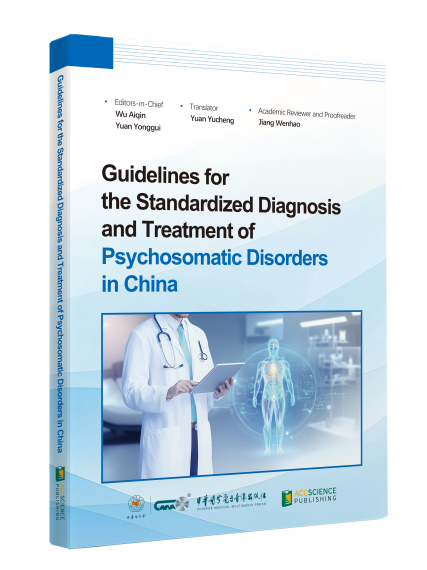
Without the health of the entire population, there can be no overall moderate prosperity. The 19th National Congress of the Communist Party of China proposed to “implement the Healthy China strategy”, shifting the focus from treating diseases to focusing on the people’s health, establishing the concept of “greater health”, and providing the people with comprehensive, whole-life-cycle health services. To promote and safeguard the implementation of the Healthy China strategy in the field of psychosomatic health, the Psychosomatic Medicine Branch of the Chinese Medical Association has always adhered to the enduring theme of “promoting humanistic spirit, integrating mind and body, treating mind and body simultaneously, and standardizing diagnosis and treatment”, which is precisely in line with the connotation of the Healthy China strategy.
Chapter 1 Introduction to Psychosomatic Medicine 1
1.1.Relevant Concepts 1
1.2.Epidemiology of Psychosomatic-Related Disorders 6
1.3.Classification of Psychosomatic-related Disorders 7
1.4.Etiology and Pathogenesis of Psychosomatic-related Disorders 9
1.5.Outlook 23
Chapter 2 Assessment and Diagnosis of Psychosomatic-related Disorders 26
2.1.Overview 26
2.2.Medical History Collection and Communication Skills for Psychosomatic-related Disorders 32
2.3.Assessment of Psychosomatic-Related Disorders 46
2.4.Diagnosis of Psychosomatic-Related Disorders 63
Chapter 3 Psychotherapy 67
3.1.Therapeutic Communication 67
3.2.Psychoanalytic Therapy 70
3.3. Behavioral Therapy 71
3.4. Humanistic Therapies 74
3.5. Cognitive Therapy 75
3.6. Hypnotherapy 77
3.7. Expressive Psychotherapy 78
3.8. Narrative Therapy 80
3.9. Morita Therapy 81
3.10. Taoist Cognitive Therapy 83
3.11. Balancing Psychotherapy 84
3.12. Willing Acceptance and Commitment Therapy 85
3.13. Group Therapy 87
3.14. Crisis Intervention 88
Chapter 4 Physical Therapy 91
4.1. Biofeedback Therapy 91
4.2. Repetitive Transcranial Magnetic Stimulation Therapy 94
4.3. Transcranial Direct Current Stimulation Therapy 96
4.4. Vagus Nerve Stimulation Therapy 99
4.5. Transcranial Alternating Current Stimulation Therapy 103
Chapter 5 Pharmacological Treatment 105
5.1. Overview 105
5.2. Anxiolytics 112
5.3. Antidepressants 115
5.4. Antipsychotics 121
5.5. Mood Stabilizers 123
5.6. Nootropics 124
5.7. Traditional Chinese Patent Medicines 127
Chapter 6 Common Psychosomatic-related Disorders in Clinical Departments 131
6.1. Common Psychosomatic-related Disorders in Obstetrics and Gynecology 131
6.2. Common Psychosomatic Disorders in the Infertility Department 136
6.3. Common Psychosomatic-related Disorders in Pediatrics 137
6.4. Common Psychosomatic-related Disorders in Geriatrics 140
6.5. Common Psychosomatic-related Disorders in Oncology 143
6.6. Common Psychosomatic-related Disorders in Cardiology 144
6.7. Common Psychosomatic-related Disorders in Gastroenterology 147
6.8. Common Psychosomatic-related Disorders in Stomatology 149
6.9. Common Psychosomatic Disorders in Rheumatology and Immunology 151
6.10. Common Psychosomatic-related Disorders in Other Departments 154
References 159
Appendix I 174
9-Item Patient Health Questionnaire (PHQ-9) 174
Appendix II 175
7-Item Generalized Anxiety Disorder Scale (GAD-7) 175
Appendix III 176
Patient Health Questionnaire (PHQ-15) 176
Appendix IV 177
Psychosomatic Symptom Scale (PSSS) 177
